

- NYC BNP leaders, activists upbeat ahead of Tarique Rahman’s arrival |
- PM off to New York to attend UNGA |
- 8 Killed in Ashulia Garment Factory Fire |
- Apratim Murder Suspects Confessed, Says Home Minister |
- Dhaka's air decorded unhealthy for sensitive groups Sunday morning |
Indian Courts to Decide Hasina Extradition: Report
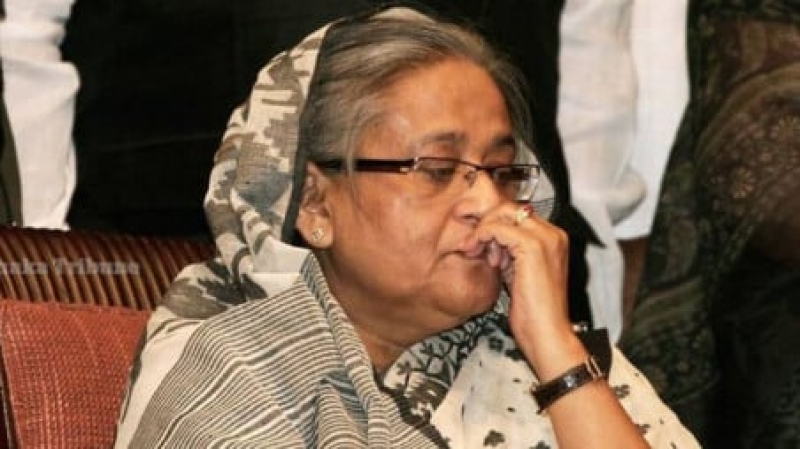
Sheikh Hasina
India's courts will ultimately decide whether former Bangladesh Prime Minister Sheikh Hasina will be extradited to Bangladesh, while New Delhi is holding discussions with Dhaka on the issue, according to a report.
A senior Indian government official was quoted as saying that the decision on extradition would be made through the judicial process rather than by political or diplomatic authorities.
The official said Indian courts would also examine whether the offences alleged against Hasina constitute crimes under Indian law.
The development comes as the Bangladesh government continues to press India for Hasina's extradition. Hasina was sentenced to death by Bangladesh's International Crimes Tribunal in November 2025 after being convicted of crimes against humanity.
According to the report, Indian officials said Bangladesh's extradition request contains the necessary legal documents required under the 2013 extradition treaty between the two countries.
India's Ministry of External Affairs has maintained that the request is being examined under established procedures.
Delhi-Dhaka Discussions
An Indian official said the extradition issue cannot be separated from broader diplomatic relations between India and Bangladesh.
The official also referred to Hasina's recent statement that she intends to return to Bangladesh in December. During a virtual press conference on August 5, Hasina said she wanted to return home in what she described as Bangladesh's "victory month."
Hasina, 78, has been staying in India since the fall of her government following the mass uprising in Bangladesh in August 2024.
The report said former and current Awami League members claimed that Hasina remained in contact with party leaders and activists in Bangladesh and had been considering returning toward the end of this year.
An Indian official said that if Hasina voluntarily returns to Bangladesh, the extradition issue would no longer arise.
Extradition Treaty
India and Bangladesh signed an extradition treaty in 2013 covering the surrender of people charged with or convicted of extraditable offences, as well as those wanted to serve judicially imposed sentences.
The treaty excludes offences of a political character but specifies that certain crimes, including murder, manslaughter, assault, use of firearms and incitement to murder, cannot be treated as political offences.
India's Extradition Act, 1962, would also apply to any extradition proceedings.
Under the law, India's Ministry of External Affairs acts as the nodal authority for extradition matters. The government may appoint an inquiry magistrate to examine an extradition request in accordance with the relevant treaty.
If the magistrate determines that the case warrants surrender, a recommendation for extradition may be made. If no prima facie case is established, the person sought may be discharged.
Hasina's Death Sentence
Bangladesh's extradition request is largely based on the November 2025 ICT verdict sentencing Hasina to death for crimes against humanity.
The Awami League, which was subsequently banned, has indicated that it would challenge the verdict if extradition proceedings begin in an Indian court.
Indian officials have stressed that the judiciary would have the final say, while New Delhi is also seeking a diplomatic resolution and has reportedly urged Dhaka to reconsider its demand for Hasina's extradition.