

- Climate Risks Threaten Nearly 90m Displaced People: UNHCR |
- Midterm Election Results: One of Biggest Reversals in US History |
- Republicans face midterm backlash over Trump's economic policies, Poll reveals |
- Waterlogging in Kumarkhali: Potential farm loss Tk35 crore annually |
- Substitute Ibrahim powers Bangladesh to 1-0 win over Bhutan in SAFF |
November 7 Shaped Bangladesh’s Historical Course: PM
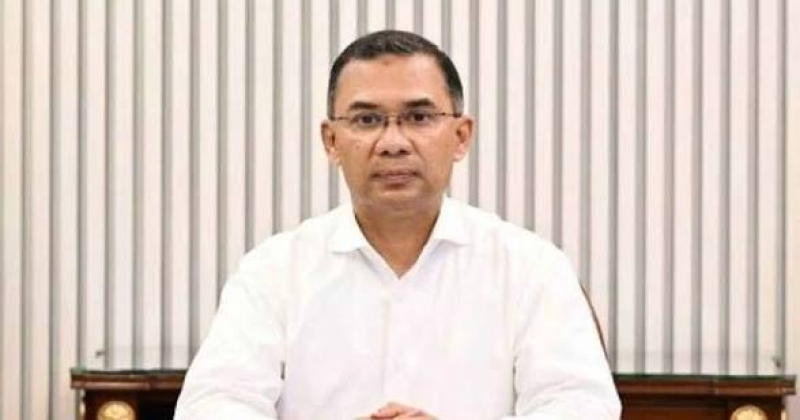
Prime Minister Tarique Rahman has described November 7, 1975, as a defining date in Bangladesh’s history, saying the spirit of the day should serve as inspiration and guidance for building the country’s future.
He made the remarks in a message issued on the occasion of Historic National Revolution and Solidarity Day. The government has taken up a series of programmes to mark the day, while the Bangladesh Nationalist Party (BNP) has also announced separate programmes.
In his message, the prime minister said soldiers and civilians had united on November 7, 1975, to thwart what he described as conspiracies against Bangladesh’s independence and sovereignty.
He called the day a historic moment when the country’s friends and adversaries were identified.
Rahman said that while constantly dwelling on history was not advisable, failing to learn from it when shaping the future would also be a historical mistake.
“I believe November 7, 1975, was a defining date in Bangladesh’s history,” he said.
He alleged that those who wanted to turn Bangladesh into a subservient state, deprive people of their democratic political rights and establish one-party authoritarian rule were defeated through the historic uprising of patriotic soldiers and civilians on that day.
The prime minister further alleged that the forces defeated on November 7 later united under the banner of the Grand Alliance and turned the country into a subservient state. He also accused them of being responsible for the planned killings of military personnel at the BDR headquarters in Pilkhana and for undermining the honour and reputation of the armed forces.
He said people’s voting and democratic rights had subsequently been taken away and a fascist system of government had been established. Bangladesh, he added, had eventually become free from fascism after more than 15 years through the sacrifices of thousands of people and the mass uprising led by students and the public.
“ The 1971 war was for achieving independence, while 2024 was for protecting the independence of the country and its people,” Rahman said.
He noted that people from all walks of life had taken to the streets in 2024 to defend the country’s independence and sovereignty, just as soldiers and civilians had united in 1975 to resist what he described as conspiracies against the nation.
The prime minister said the main commitment on this year’s November 7 should be to ensure that no one could again deprive the country and its people of their rights or turn Bangladesh into a subservient state.
Achieving that goal would require national unity, he said.
Rahman also called for embracing the spirit of the November 7 uprising to preserve national unity in Bangladesh’s socioeconomic, geographical and political context.
Referring to the Liberation War of 1971, the November 7 uprising of 1975, the anti-autocracy movement of 1990 and the mass uprising of 2024, he said the common aspiration behind these movements was to establish democratic political rights for all citizens and build a self-reliant, secure and welfare-oriented state.
He said the patriotic and democratic-minded people should reaffirm the slogan: “Neither Delhi nor Pindi, nor any other country — Bangladesh comes first.”
The prime minister wished success to all programmes organised nationwide to mark the historic day, saying the revolutionary spirit of November 7 should inspire and guide the country's future.