

- PM Orders Study on Restoring Universal Stipends for Girls |
- President urges KSA to make hajj more convenient for Bangladeshi pilgrims |
- Second Teesta Bridge: Costly shortcut that heavy vehicles cannot take |
- March in Stockholm for stronger climate action ahead of polls |
- Dhaka ranks 18th in global air quality ranking Monday morning |
People Who Live Beyond 110 May Have More Killer Immune Cells
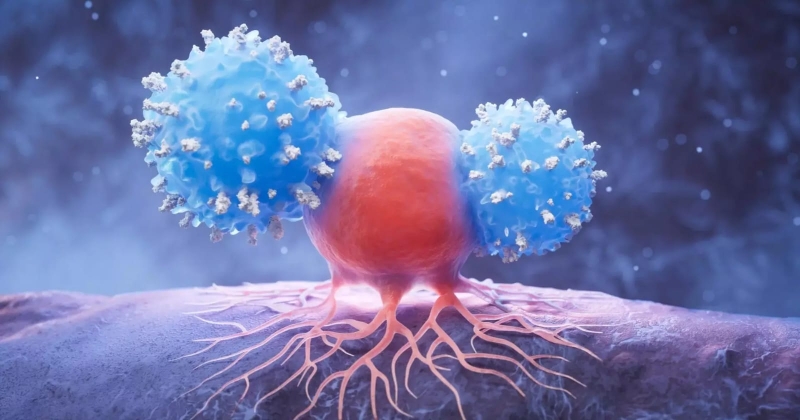
People who live to exceptionally old ages may have immune systems that continue adapting to new health threats, according to a new study.
Researchers found that supercentenarians — people aged 110 or older — have unusually high levels of specialised immune cells known as CD4 cytotoxic T lymphocytes, or CD4 CTLs.
These rare immune cells can destroy certain tumour cells and rapidly multiply when the body encounters an infection. The findings suggest that this immune response may be associated with healthy ageing among people who reach extreme old age.
“Immune ageing is not simply a process of decline,” said Kosuke Hashimoto, an associate professor at the University of Osaka in Japan and the study’s lead author.
Killer T cells increase with age
The researchers examined blood samples from 28 people divided into three age groups: 70-99, 100-109 and 110 or older.
The average proportion of CD4 CTLs increased from 4% among people aged 70-99 to 9.6% among those aged 100-109. It rose further to 17.6% among participants aged 110 and above.
The researchers said the increase may begin around age 100, although the pattern was not consistent among all participants. One person younger than 100 had the highest level of CD4 CTLs recorded in the study.
Large groups of identical immune cells
The team also analysed T-cell receptors to understand why these cells become more prevalent in some exceptionally old people.
The findings suggested that clonal expansion — a process in which immune cells rapidly produce copies of themselves after detecting a threat — plays an important role.
The largest single group of identical CD4 CTLs accounted for an average of 33.3% of all CD4 CTLs among the participants. In one centenarian, a single clone represented 53.8% of the person’s CD4 CTLs.
The researchers compared the receptor sequences of these dominant cells with sequences in a public database and found nearly three dozen matches among people diagnosed with lung, breast and liver cancers.
However, none of the centenarians or supercentenarians involved in the study had been diagnosed with those cancers.
The researchers suggested that the elevated immune cells could be responding to abnormal cells or potential cancer-related targets, although their exact targets remain unknown.
Possible link to healthy ageing
The study does not establish that high levels of CD4 CTLs protect people against cancer or directly help them live longer. The researchers examined only immune cells circulating in the blood, and further studies are needed to determine how the cells function inside body tissues.
Hashimoto said future research will focus on understanding the behaviour of these cells within human tissues.
“As we age, abnormal cells, including ageing and cancerous cells, become more common,” he said. “Our findings suggest that the immune system’s ability to adapt to these changes may contribute to exceptional longevity.”
The study, published on August 19 in Cell Reports, was supported by several Japanese research institutions and foundations, including the Japan Society for the Promotion of Science, the University of Osaka, the Takeda Science Foundation and the RIKEN Center for Integrative Medical Sciences.