

- Fresh rain spell triggers waterlogging in Dhaka, hampers Eid prep |
- Over 1.5 million pilgrims perform Hajj amid regional tensions |
- After the blaze, Kalshi slum dwellers see what little remains |
- Dhaka, 5 other divisions to see heavy rainfall in 24 hours |
- Over 1.6 Million Pilgrims Gather at Sacred Arafat |
Over 1.5 million pilgrims perform Hajj amid regional tensions
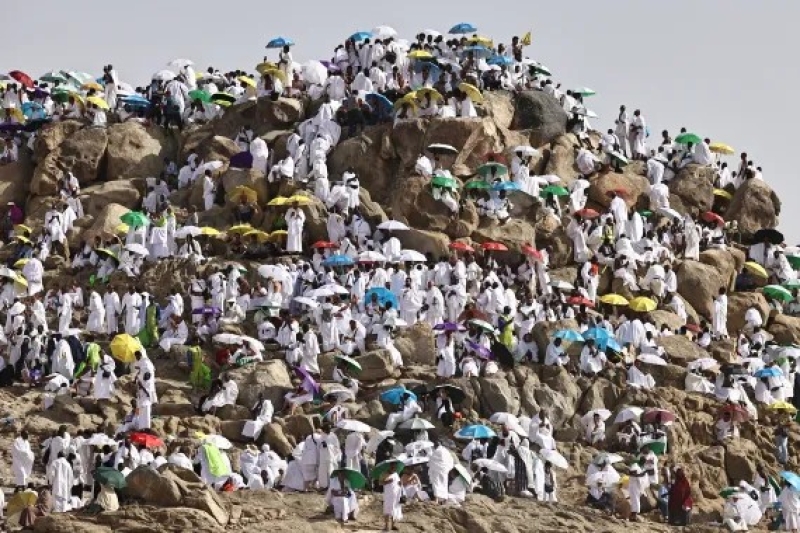
Hajj pilgrims at Mount Arafat. Temperatures near 44°C as the annual pilgrimage unfolds under the shadow of war. - Al Jazeera
The spiritual and physical challenge, described by pilgrims as a transformative and deeply meaningful journey, comes amid the backdrop of a fragile ceasefire in the Iran war and a global energy crisis.
The annual Hajj pilgrimage, one of the five pillars of Islam, begun in Saudi Arabia as more than 1.5 million pilgrims arrived from abroad amid the backdrop of a fragile ceasefire in the Iran war and a global energy crisis.
Saleh bin Saad al-Murabba, commander of the Hajj passport forces, said that over 1.5 million pilgrims had entered the kingdom by Friday, with more expected.
For many, reaching Makkah is the fulfilment of a lifelong dream. Egyptian pilgrim Samya Abdul Moneim said she felt overwhelming gratitude to have made the journey required once in a lifetime of every Muslim who can afford it and is physically able.
“I am in a state of blessing and happiness,” she said in Makkah on Sunday. “It’s an indescribable feeling, truly. Thank God, I am in a blessing.”
Ahead of the move to the vast tent city of Mina, pilgrims have been circling the cube-shaped Kaaba in the Grand Mosque in sweltering heat, some shielding themselves with umbrellas and handheld fans. Volunteers hand out water and misting fans to help people cope with the intense temperatures.
For many, Hajj is both physically demanding and spiritually transformative.
“This Hajj is, in effect, a hard reset for me,” said Youssef Chouhoud, a political scientist from the United States, speaking from Mina. “It is for many pilgrims the most difficult thing they will ever do in their lives. But nothing this meaningful is ever going to be easy.”
He said he drew inspiration from seeing fellow pilgrims “compete with one another in giving charity and helping each other along the way”.
The pilgrimage unfolds as the United States, Iran and regional allies discuss a “memorandum of understanding” that Washington says could reopen the Strait of Hormuz and ease an energy crisis triggered by US and Israeli attacks on Iran and Tehran’s closure of the waterway.
Despite the uncertainty, many pilgrims say they are leaning on their faith.
On Tuesday, pilgrims gathered on the plain of Arafat, the spiritual pinnacle of Hajj, where they stood in prayer, ask for forgiveness and remembered loved ones back home.
By nightfall they moved to Muzdalifa on way to the Jamarah in Mina and symbolically stoned the Satan (devil). The pilgrims said the Eid-ul-Azha prayer and sacrificed animals on Wednesday morning in the performance of a ritual that dates back to Prophet Ibrahim (A.H.) - AP