

- Himalayan Floods Not Just a Water Event, But a Debris Event |
- ICT chief prosecutor warns of attempts to sabotage tribunal |
- Deputy speaker whips treasury for early circulation of bills |
- Belgium records nearly 3,000 deaths due to summer heatwaves |
- Bangladesh Receives Over $35.5bn in Remittances in FY26 |
Miswak: Where Islamic Tradition Meets Modern Science
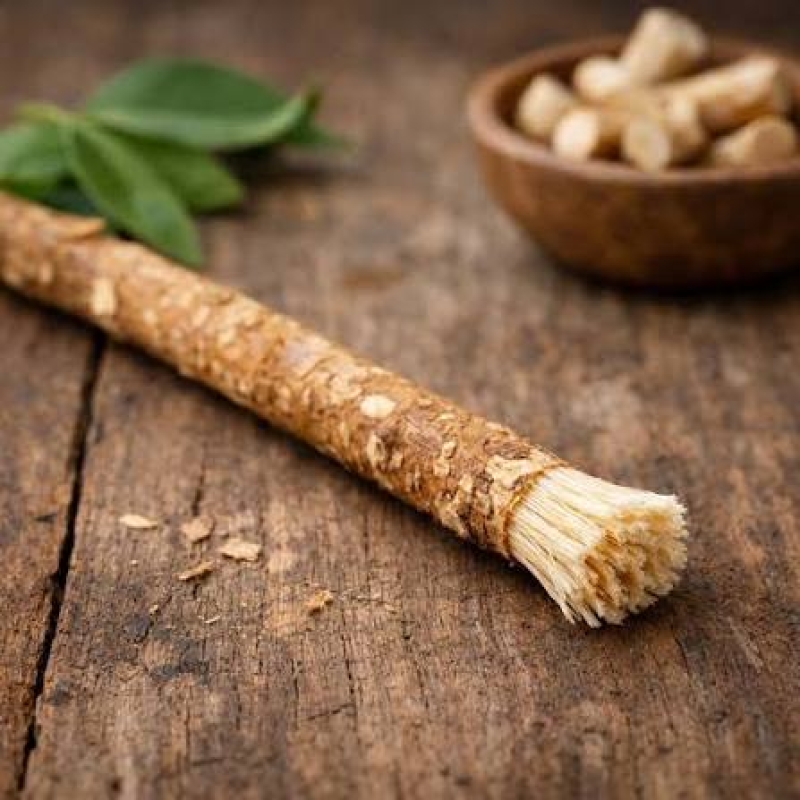
Miswak is a natural method of cleaning the teeth and mouth. It is generally made from the twigs or roots of the Salvadora persica tree, commonly known as the arak tree. It is known by different names in different parts of the world, including “Dantasa” and “Chiku”, while in some regions it is simply called miswak.
Its natural fibrous structure makes miswak effective in removing food particles, dirt and plaque from between the teeth. Unlike conventional oral-care products, miswak is a natural cleaning tool that contains a range of compounds that may support oral hygiene.
Miswak: A Distinctive Sunnah
The Prophet Muhammad (PBUH) placed great emphasis on the use of miswak and encouraged Muslims to practise it.
Abu Hurairah (RA) reported that the Prophet Muhammad (PBUH) said: “Had it not been difficult for my Ummah, I would have commanded them to use miswak at every prayer.” (Sahih al-Bukhari, Hadith 887)
In another hadith, the Prophet Muhammad (PBUH) said: “Miswak purifies the mouth and is a means of attaining the pleasure of Allah.” (Sunan an-Nasa’i, Hadith 5)
According to Islamic sources, the Prophet (PBUH) used miswak at various times, including before prayers, after waking up, before sleeping, during ablution, before reciting the Holy Quran and when entering the home.
Miswak and Oral Health
Miswak contains naturally occurring compounds such as alkaloids, tannins, silica and sodium bicarbonate, along with other organic and mineral substances. Some of these compounds may have antibacterial properties and can contribute to oral hygiene.
Regular and proper use of miswak may help remove plaque, reduce harmful oral bacteria, maintain gum health and reduce bacteria associated with bad breath.
Modern research has also examined miswak as a natural oral-care tool, particularly its potential antibacterial and plaque-reducing effects.
However, miswak should be used correctly and gently to avoid damaging the gums. It can complement, rather than necessarily replace, established oral-hygiene practices such as brushing with fluoride toothpaste and regular dental check-ups.
For Muslims, miswak therefore represents both a traditional method of maintaining oral hygiene and a practice associated with the Sunnah of the Prophet Muhammad (PBUH).