

- Tree logging in Bangladesh has fallen in last two years: Study |
- Unsafe Food Kills 1.5 Million Yearly, WHO Warns Report |
- Masud Khan Appointed New BSEC Chairman in Shake-up |
- Verdict in Ramisa rape-murder case on June 7 |
Hezbollah Rejects Truce as Lebanon Ceasefire Falters
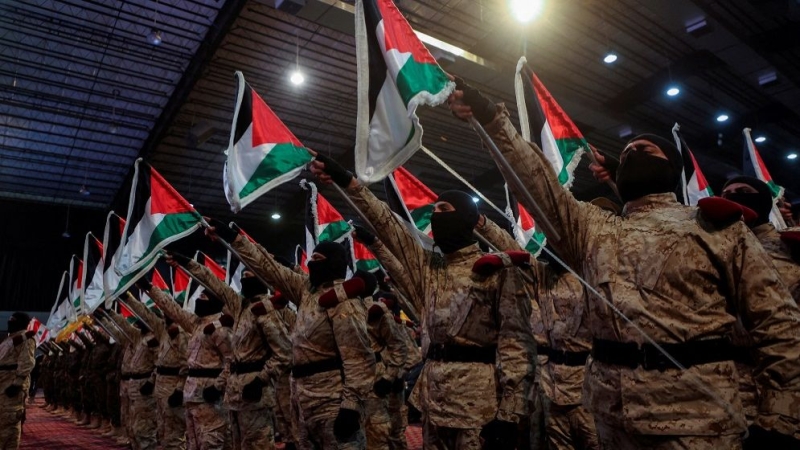
Efforts to secure a ceasefire in Lebanon faced fresh uncertainty on Thursday after Hezbollah rejected a proposed truce and Israel signalled that its military operations in the country would continue, complicating diplomatic efforts to ease broader regional tensions involving Iran.
The proposed ceasefire, backed by the United States, is seen as part of wider efforts to reduce hostilities in the region and create conditions for diplomatic engagement with Iran.
Iran has reportedly linked any future understanding with Washington to a halt in fighting in Lebanon and has indicated that it could deepen involvement in support of Hezbollah if Israeli military operations intensify.
Lebanese President Joseph Aoun said the ceasefire could take effect within 24 hours once all parties approve the arrangement. However, Hezbollah chief Naim Qassem rejected the proposal, saying the group would continue its “resistance”.
Although Hezbollah is not formally part of the agreement negotiated between Israel and the Lebanese government, any ceasefire would require the group to halt attacks.
Israeli forces continued strikes in southern Lebanon on Thursday, while Israeli Defence Minister Israel Katz said military operations would continue and troops would not withdraw from areas currently under Israeli control.
Iran’s Revolutionary Guards also reiterated that Israel must end its military campaign in Lebanon and withdraw from occupied areas before any broader regional ceasefire could be considered.
Tensions between Hezbollah and Israel escalated in early March after the group launched attacks in support of Tehran during heightened military confrontation involving the United States and Israel. Since then, repeated attempts to secure a ceasefire have failed to produce lasting calm.
Meanwhile, regional instability has intensified following renewed military exchanges in the Gulf. Iranian and US forces reportedly traded strikes on Wednesday, adding pressure to ongoing diplomatic efforts.
Iranian strikes reportedly damaged facilities in Kuwait and injured dozens, while the US military said it carried out operations near the Strait of Hormuz following attempted attacks on its assets.
The Strait of Hormuz, a key route for global energy supplies, remains heavily disrupted, fuelling concerns over oil shipments and global markets.
Despite the tensions, oil prices declined on Thursday amid hopes that a Lebanon ceasefire could open the door to renewed diplomacy between Washington and Tehran.
US President Donald Trump suggested negotiations with Iran could see progress soon, saying developments may emerge within days, though he did not provide further details.
Iran has maintained that any broader agreement would require an end to fighting in Lebanon, relief from sanctions, and renewed access to oil revenues. Washington, meanwhile, continues to insist that preventing Iran from acquiring nuclear weapons remains a top priority.
The UN nuclear watchdog also renewed calls for Iran to clarify the status of its enriched uranium stockpile and allow full inspections to resume following earlier attacks on its nuclear facilities.