

- No more “Aynaghar”, perpetrators to face justice: President Fakhrul |
- Battery-powered rickshaws to be banned on Dhaka’s main roads |
- Malaysia to Recruit 200,000 Bangladeshi Workers by End-Sept |
- Lionel Messi scores 4 goals, helps Inter Miami to 7-1 win over Montreal |
- China sends tunnel experts for rescue operations in Nepal |
US Senate passes $70B for Trump immigration crackdown
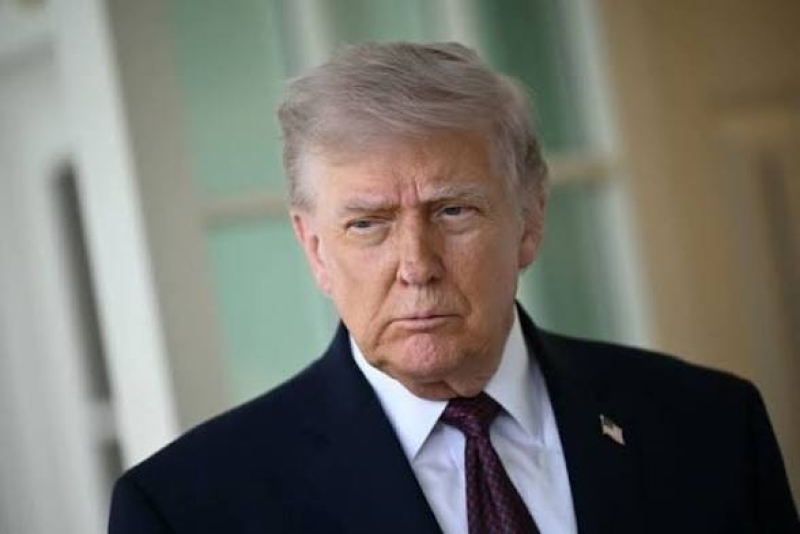
The US Senate on Friday approved $70 billion in funding for President Donald Trump's immigration crackdown, delivering a major legislative victory on one of his signature issues after a bruising day of votes that exposed Republican divisions over some of his broader policy agenda.
The measure would fund Immigration and Customs Enforcement (ICE) and the Border Patrol through the remainder of Trump's term. It now moves to the House of Representatives, where Republican leaders aim to secure final passage next week and send it to the president's desk.
The vote capped months of political wrangling over immigration enforcement, including a partial Department of Homeland Security (DHS) shutdown earlier this year after Democrats refused to back additional funding without limits on enforcement tactics such as raids in sensitive locations and the use of masks by officers.
Republicans rejected those conditions and instead advanced the funding through the budget reconciliation process, allowing them to bypass Democratic opposition as long as they maintained party unity.
That unity was tested during an hours-long "vote-a-rama," when senators considered dozens of politically charged amendments before final passage. While none derailed the bill, the process highlighted unease within Republican ranks over several Trump-backed proposals.
Among the most contentious issues was a proposed $1.8 billion Justice Department "anti-weaponization" compensation fund for people who claim they were unfairly targeted by the government. Critics argued the program could benefit individuals convicted in connection with the January 6, 2021, attack on the US Capitol.
Acting Attorney General Todd Blanche told lawmakers this week the administration would not proceed with the fund, but Trump's mixed signals on its future prompted some Republicans to push amendments that would permanently block it.
The amendment votes also became a vehicle for broader concerns about Trump's priorities, including debate over funding previously earmarked for security around a planned White House ballroom and other controversial initiatives.
Democrats, meanwhile, sought to redirect some immigration enforcement funding toward housing and cost-of-living programs, arguing Republicans were prioritizing deportation efforts over economic concerns.
In a separate sign of Republican unease with parts of Trump's agenda, several GOP senators joined Democrats in backing an effort to advance new sanctions on Russia and provide additional military financing for Ukraine.
Republicans argued the funding was necessary to restore immigration enforcement resources left unresolved after the earlier DHS funding standoff. A temporary spending measure had funded most of the department through September 30 but excluded ICE and the Border Patrol, setting up the separate battle that concluded with Friday's vote.
The outcome gives Trump a significant policy win on immigration while underscoring a recurring challenge for Republican leaders: managing internal resistance to some of the political baggage attached to the president's priorities.