

- No more “Aynaghar”, perpetrators to face justice: President Fakhrul |
- Battery-powered rickshaws to be banned on Dhaka’s main roads |
- Malaysia to Recruit 200,000 Bangladeshi Workers by End-Sept |
- Lionel Messi scores 4 goals, helps Inter Miami to 7-1 win over Montreal |
- China sends tunnel experts for rescue operations in Nepal |
Japan Approves $19bn Budget Amid Middle East Crisis
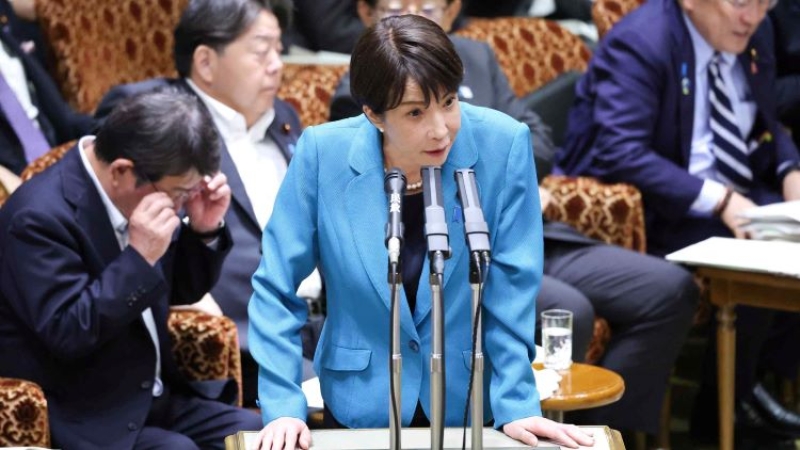
Japan’s parliament on Friday approved an additional budget worth 3.1 trillion yen ($19 billion) as the government moves to shield households from rising living costs triggered by tensions in the Middle East.
The supplementary budget, backed by Prime Minister Sanae Takaichi’s government, passed the upper house by a vote of 148 to 94 after receiving cabinet approval earlier this week.
The funding is expected to help ease the burden of soaring fuel and utility prices, with support measures targeting petrol, electricity and gas costs.
Japan, which relies heavily on energy imports from the Middle East, has faced mounting inflationary pressure since Iran blockaded the Strait of Hormuz following US-Israeli strikes in February. The disruption intensified concerns over fuel supplies and pushed up energy prices.
Announcing the package last month, Takaichi said uncertainty in the Middle East remained high and stressed the need for financial preparedness to cushion the domestic impact of external shocks.
Despite the risks, the government said it expects a stable oil supply to continue through next spring. Officials also noted that alternative supplies of naphtha—an oil by-product widely used in manufacturing—from outside the Middle East have recovered to more than 80 per cent of previous levels.
Japan’s central bank raised its inflation outlook in April while lowering economic growth projections, citing rising oil costs as a key factor.
The bank warned that higher crude oil prices are likely to drive up the cost of energy and goods, as businesses continue passing increased wage and operating expenses on to consumers.