

- Ocean’s ability to absorb carbon falling as CC intensifies |
- Bangladesh, Japan Sign Four MoUs and Two Grant Agreements |
- 46 Killed in Collision Between Two High-Speed Trains in Spain |
- Tarique Urges Japanese Investment in Energy, Rail, Technology |
- Tarique Seeks Japan’s Support to Diversify Bangladesh’s Exports |
What is Iran’s Seven-Day Plan to reopen the Strait of Hormuz?
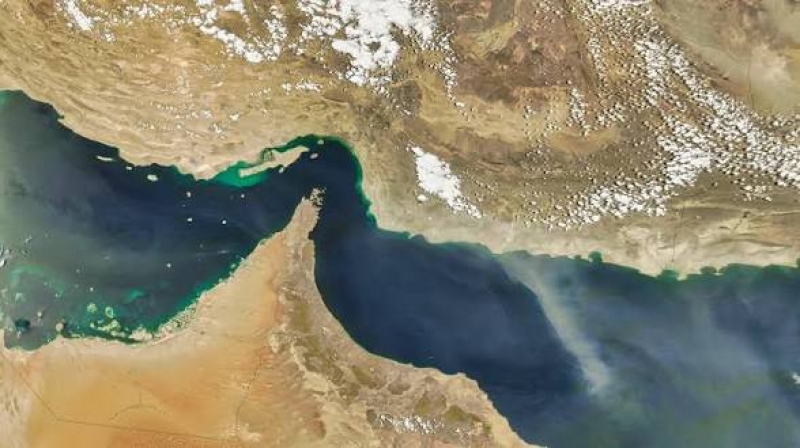
Iran’s proposed seven-day plan to reopen the Strait of Hormuz centres on a series of commitments it wants the United States to fulfil before broader negotiations begin, including the release of frozen Iranian assets, the lifting of sanctions on Iranian oil and an end to the naval blockade on Iranian ports.
Iran presented the proposal at the United Nations General Assembly in September, seeking to revive commitments outlined in a memorandum of understanding (MoU) dated June 17 that ultimately failed to take effect.
Under the proposal, Washington would be required to implement the outstanding commitments on an accelerated timeline. These include releasing $12 billion in frozen Iranian assets, easing sanctions on Iranian oil and ending restrictions imposed through the naval blockade of Iranian ports.
Iranian Foreign Minister Abbas Araghchi said at the time that the United States could fulfil these commitments within four or five days. Once those steps were completed, Tehran would reopen the Strait of Hormuz, a strategically important waterway through which a significant share of global oil shipments passes.
Araghchi indicated that negotiations on a broader, final agreement could begin on the seventh day. Those discussions would include Iran’s nuclear programme and other outstanding issues between Tehran and Washington.
However, the proposal has faced resistance from US President Donald Trump, who has publicly rejected it. Media reports indicate that the sequencing of commitments remains a central point of disagreement between the two sides.
Iran insists that Washington must honour its previous commitments before negotiations on a comprehensive agreement can proceed. From Tehran’s perspective, implementing those measures first would provide a basis for rebuilding trust and demonstrate that the United States is prepared to meet its obligations.
Washington, meanwhile, wants Iran’s nuclear programme to be addressed from the outset of negotiations rather than postponed until after the proposed initial steps have been completed. This difference over the order of negotiations has complicated efforts to reach a common framework.
The dispute over the Strait of Hormuz carries significant international implications. The waterway is a critical route for global energy supplies, and restrictions on maritime traffic can affect oil shipments, shipping costs and energy markets worldwide.
Iran’s proposal seeks to connect the reopening of the strait with progress on sanctions relief, frozen assets and a wider political agreement. However, the plan remains dependent on whether Tehran and Washington can overcome their differences over the conditions and timing of negotiations.
For now, the key question is whether the two sides can agree on a sequence of steps that addresses Iran’s demands while meeting Washington’s concerns over the nuclear issue. Without agreement on that fundamental point, the seven-day proposal is unlikely to provide an immediate breakthrough.