

- NCP Demands Impeachment, Arrest of President |
- PM Pledges to Modernise, Strengthen Border Force |
- Dhaka Tops Global Pollution List with Hazardous Air |
- Country Observes Martyred Army Day Today |
- 100 CSOs rally against Trump’s trade tactics, urge access to drugs |
Iran, US prepare for new nuclear talks amid sanctions and military warnings
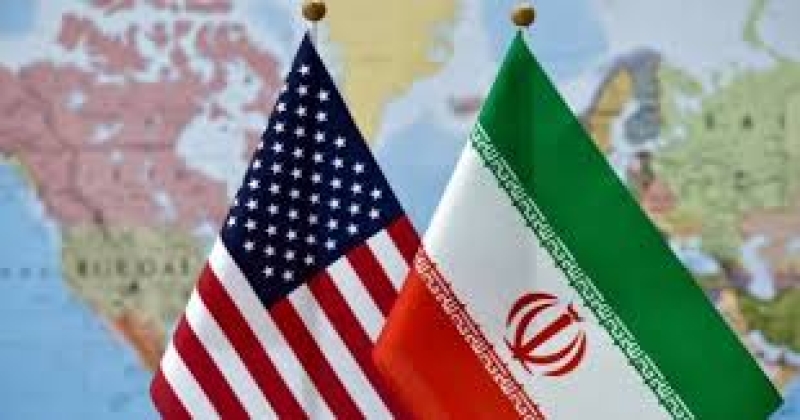
Iran and the United States are set to open a third round of indirect nuclear negotiations in Switzerland, even as Washington ramps up pressure through new sanctions and renewed warnings of possible military action.
Iranian Foreign Minister Abbas Araghchi arrived in Geneva on Wednesday, where he met Omani Foreign Minister Badr Albusaidi, who is mediating the talks scheduled for Thursday.
Ahead of his departure, Araghchi said a “fair, balanced and equitable” agreement was achievable, reiterating that Iran was not pursuing nuclear weapons but would not relinquish what it calls its right to the peaceful use of nuclear technology.
The negotiations are taking place against a backdrop of deep mistrust, with both sides alternating between diplomatic engagement and confrontational rhetoric.
In Washington, DC, US Vice President JD Vance accused Tehran of attempting to revive its nuclear programme after US strikes on Iranian nuclear facilities last June, warning that Iran should take US military threats seriously.
He said the US position was clear: Iran must not acquire a nuclear weapon, adding that President Donald Trump preferred a diplomatic solution but retained other options.
Meanwhile, the United States Department of the Treasury announced sanctions on more than 30 individuals, entities and vessels accused of financing Iran’s oil exports, ballistic missile development and weapons production. Treasury Secretary Scott Bessent said Iran was exploiting global financial systems to fund illicit activities and support allied armed groups.
A day earlier, Trump, in his State of the Union address, accused Iran of pursuing “sinister nuclear ambitions” and developing missiles capable of striking the United States. Iranian officials strongly rejected the claims.
Iranian Foreign Ministry spokesman Esmaeil Baghaei dismissed the accusations as “big lies,” comparing the US approach to Nazi-era propaganda.
US Secretary of State Marco Rubio, speaking from Saint Kitts and Nevis, said the Geneva talks would centre on Iran’s nuclear programme but stressed Washington’s concern over Iran’s ballistic missiles, which he said Tehran was trying to extend to intercontinental range. Iran’s refusal to include the missile programme in negotiations, Rubio said, was “a big, big problem.”
The current state of Iran’s nuclear infrastructure remains uncertain. While Trump has claimed last year’s US strikes “obliterated” the programme, inspectors from the International Atomic Energy Agency have not been allowed to verify conditions at key sites, including Fordow, Natanz and Isfahan.
On the US side, the negotiations are being led by Trump’s special envoy Steve Witkoff, alongside the president’s son-in-law Jared Kushner. The first round of talks was held in Oman on February 6, followed by a second session in Geneva on February 17.
After the previous round, Araghchi said both sides had reached a preliminary understanding on broad principles, though no concrete agreement was achieved. Iranian media reports suggest the gaps remain wide, particularly over uranium enrichment and Tehran’s demand for firm guarantees that sanctions would be lifted before it makes concessions.
Iranian parliament speaker Mohammad Bagher Ghalibaf underscored Tehran’s stance, warning that while Iran was open to diplomacy based on mutual respect, any attack during negotiations would draw a strong response.
Iran has also warned that any US strike would trigger retaliation against American military bases across the Middle East and could lead to the closure of the Strait of Hormuz, a vital route for global oil supplies.
US Central Command spokesman Tim Hawkins said the United States was reinforcing its military posture to deter escalation and protect its forces in the region.
US media reports say Washington’s strategy combines tougher rhetoric and sanctions to increase leverage at the negotiating table, with the aim of pushing Iran to curb uranium enrichment and, eventually, its missile programme and regional activities, in exchange for economic relief, reports UNB.