

- Midterm Election Results: One of Biggest Reversals in US History |
- Republicans face midterm backlash over Trump's economic policies, Poll reveals |
- Waterlogging in Kumarkhali: Potential farm loss Tk35 crore annually |
- Substitute Ibrahim powers Bangladesh to 1-0 win over Bhutan in SAFF |
- Trump Threatens to ‘Destroy’ What Remains of Iran |
Prisons Tighten Security Under Seven New Directives
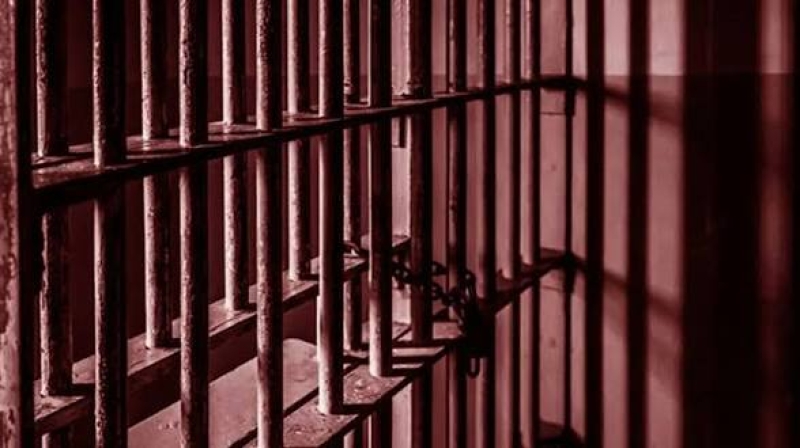
The Department of Prisons is implementing seven strict directives to strengthen security, maintain discipline and ensure accountability across the country's prisons.
The measures focus on tighter control of activities after lockup, round-the-clock CCTV surveillance, action against staff negligence and unauthorised absence, and regular as well as surprise inspections.
The department has also decided to provide retraining and counselling to prison staff found negligent in their duties and transfer them when necessary. It says at least 90% of the directives have already been implemented.
Seven Measures to Strengthen Prison Security
The Department of Prisons has taken several steps to address security weaknesses and restore discipline in prison management across the country.
The seven directives include:
1. Strict control over activities after lockup.
2. 24-hour CCTV surveillance in every prison.
3. Action against staff members who are absent from their assigned posts without authorisation.
4. Ensuring accountability among supervisory officers.
5. Retraining and counselling for staff members who neglect their duties.
6.Special security arrangements during adverse weather, including rain and thunderstorms.
7. Regular monitoring and surprise inspections.
The department fears that negligence, indiscipline and failure to follow existing rules could create security risks in prisons and disrupt their overall management. The new directives are intended to address these concerns.
Daily Monitoring and Operational Oversight
Colonel Mesbahul Alam Selim, additional director general of the Department of Prisons, told the Bangladesh Sangbad Sangstha (BSS) that the department had strengthened its monitoring system to ensure effective implementation of the seven directives.
As part of the initiative, every prison across the country is being inspected daily. All prisons must also regularly submit feedback to the prison authorities.
He said the department's operational wing had been assigned responsibility for monitoring compliance with the directives. Additional personnel, including deputy jailers, are also being assigned to oversee prisons nationwide.
Selim said at least 90% of the directives had already been implemented. The department expects the benefits of the measures to become visible within the next three to four months.
The authorities have also ordered the transfer of prison staff found guilty of negligence from one prison to another.
Written Approval Required for Activities After Lockup
Under the directives, activities after lockup must be strictly controlled and discouraged unless there is an emergency approved by the appropriate authority.
Any exceptional activity requires written permission from the jailer. A specific time limit must also be set, and the details must be recorded in the relevant register.
24-Hour CCTV Surveillance in Every Prison
Round-the-clock CCTV surveillance has been made mandatory in every prison to strengthen security.
Where possible, separate monitoring rooms must be established. Trained prison guards with information technology skills must be assigned to operate the surveillance system at all times.
Prisons without separate monitoring rooms have been instructed to install monitors at suitable locations to ensure uninterrupted surveillance.
Action Against Unauthorised Absence
Selim said the department had adopted a zero-tolerance policy towards unauthorised absence from assigned duty posts to prevent security lapses.
If a guard or other security personnel is found leaving an assigned post without permission, the incident must be reported immediately in writing. Departmental action must then be taken in accordance with existing rules.
He added that supervisory officers would also be held accountable for concealing incidents of negligence or unauthorised absence, delaying or avoiding reports, or failing to take appropriate action against those responsible.
Retraining and Transfer for Negligent Staff
The directives call for retraining, counselling and motivational measures for guards repeatedly accused of negligence.
Depending on the circumstances and administrative requirements, such personnel may be transferred to other prisons. Departmental action may also be taken against them under existing regulations.
Special Security Measures During Bad Weather
The department has introduced special security arrangements for adverse weather conditions, including rain and thunderstorms.
During such conditions, guards must remain at their assigned posts and maintain the highest level of vigilance while performing their duties.
Prison superintendents, jailers and other responsible officials have also been instructed to conduct regular supervision and surprise inspections.
These inspections must assess the effectiveness of security posts, CCTV monitoring systems, guards' performance and overall prison security arrangements. Any shortcomings identified must be addressed through necessary measures.
Concerns Over Damage to the Department's Image
The seven directives, issued in August, warned that any untoward incident inside a prison could damage the reputation of the entire prison administration and provoke negative public reactions.
Against this backdrop, the Department of Prisons has instructed all relevant officials to implement the measures immediately to prevent security lapses, maintain institutional discipline and strengthen accountability at every level of prison administration.