

- Ctg Port’s historic milestone in 2025 container handling, revenue |
- NBR Probes Bank Records of 100 Exporters Over Bond Abuse |
- Hadi murder case: Sanjay, Faisal give ‘confessional’ statements |
- Islami Bank organizes orientation for 1000 Trainee Assistant officers |
- 2025: People’s Resistance Against Hydro Projects in Himalaya |
BADC’s Haor Bridges Transform Rice Harvesting in Sunamganj
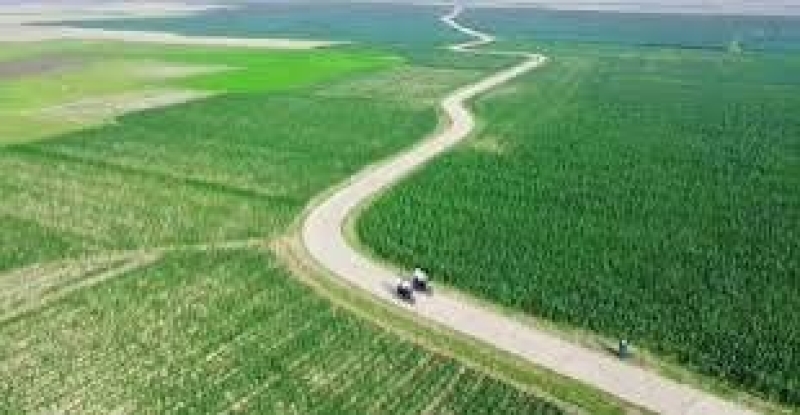
In a transformative move for agriculture in Bangladesh’s haor regions, the Bangladesh Agricultural Development Corporation (BADC) has launched a comprehensive initiative to construct causeways, threshing floors, and sunning platforms, aimed at easing the harvesting, processing and transport of Boro rice.
Causeways—earthen or paved routes connecting remote haor fields to main transport channels—are often the only lifelines for farmers during the crucial Boro season. Yet, flooding and sudden hill torrents frequently stall transport, causing significant crop losses.
Responding to long-standing demands from farmers and local organisations, BADC’s initiative seeks to construct permanent causeways across approximately 10 kilometres of haor areas.
Complementing this, threshing and sunning floors will be built to reduce post-harvest losses, allowing rice to be quickly milled and dried even in the face of early floods or hill torrents.
Work on these facilities will commence in the current fiscal year in selected important haors, with plans to extend the project to other regions in phases.
The initiative falls under the Sylhet Division Project on Surface Water Management and Agricultural Productivity Enhancement, which has already begun in Sunamganj and surrounding districts, with a budget of nearly Tk 500 crore.
Scheduled for completion by 2029, the project encompasses causeway construction, fallow land rehabilitation, canal and hill stream excavation, farmer training, and other measures designed to boost agricultural productivity.
Once implemented, it is expected to provide irrigation benefits to 17,019 hectares of previously fallow land across Sunamganj, Sylhet, Moulvibazar and Habiganj districts, producing an additional 51,058 metric tonnes of food.
In remote haor areas, five threshing floors and five sunning floors will be constructed to enable farmers to swiftly process and dry harvested rice.
Officials say this dual infrastructure will not only reduce post-harvest losses but also facilitate faster transport, saving farmers time and money.
During the first year, around four kilometres of causeways will be paved in Sunamganj, accompanied by two threshing floors and two sunning floors.
The causeways will be eight feet wide and constructed with reinforced cement concrete (RCC), with design work for these facilities near completion.
Welcoming the project, retired professor Chittaranjan Talukdar said: “For the first time, the government has taken up the development of causeways under a formal project. This initiative will allow both road and boat transport, reduce crop losses, and save farmers’ costs and time.”
He emphasised that causeways should eventually be constructed across all major haors in phased programmes.
Mizanur Rahman, president of the Haor, River and Environment Protection Movement, described the project as ‘timely and crucial’, while stressing the importance of climate-resilient and sustainable implementation, with input from experienced local farmers.
Project Director Pronojit Kumar Dev said, “This five-year BADC project is extremely important and will bring revolutionary changes to haor agriculture. Construction of causeways, threshing, and sunning floors will significantly benefit the transport, drying, and milling of harvested crops, particularly during emergencies.”
With these measures, the long-standing challenges of transporting and processing rice in haor regions may finally begin to ease, promising a more secure and productive future for farmers across Sunamganj and the greater Sylhet Division, reports UNB.