

- Board of Peace quietly met with UNRWA, ex-agency chief says |
- Man arrested with cocktail ingredients, 9,000 masks in Keraniganj |
- Anthrax detected in 3 of 11 people tested in Rangpur |
- Woman killed, 4 of her family missing in Meghna boat capsize |
- State can never be strong keeping citizens powerless: PM at UNGA |
How Inspiring Women Are Leading Food System Transformation
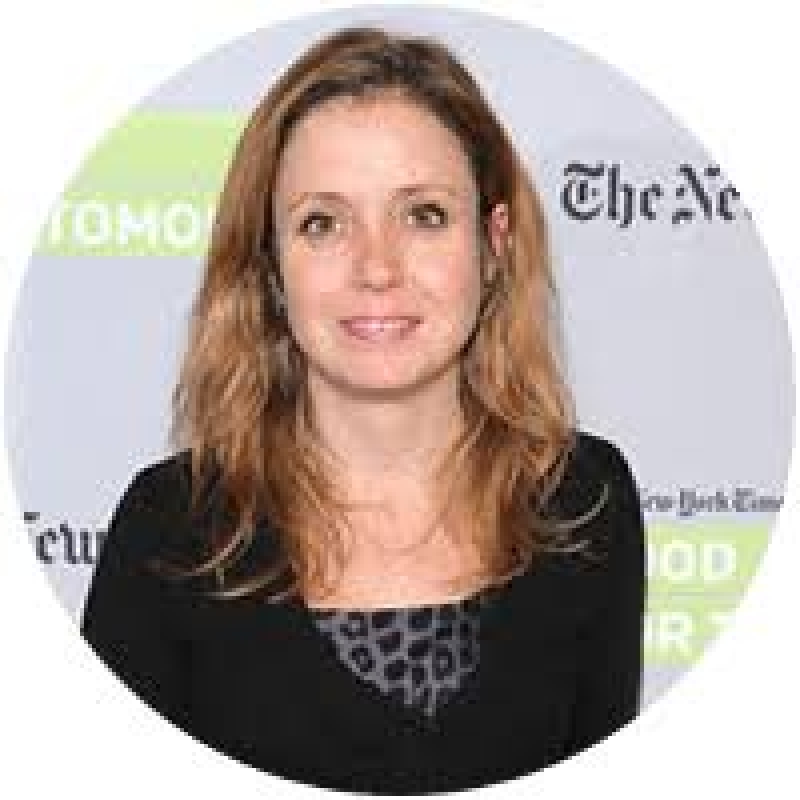
Danielle Nierenberg
Danielle Nierenberg
Around the globe, 36 percent of working women are employed within agriculture and food systems—around the same percentage as men. But sadly, that’s about where the similarities end.
Women working in agriculture make about 82 cents for every dollar men earn, and much of the work women do, more than 4 hours a day, goes unpaid altogether. Women are often more economically vulnerable than men, who tend to have greater ownership or management rights over their land and more stable employment in off-farm food jobs, according to data from the U.N. Food and Agriculture Organization (FAO).
But from major cities to rural communities, women are at the forefront of leading sustainable and equitable food system transformations!
Over the past year or so, I’ve had the opportunity to talk with some amazing women on the front lines of building a better food system. I’ve been reflecting on these inspiring conversations, especially now during International Year of the Woman Farmer and with International Women’s Day coming up on March 8.
From St. Lucia across the Caribbean, Keithlin Caroo-Afrifa is transforming women’s food and farm leadership through the organization Helen’s Daughters, which she founded and directs.
“We try to take a very holistic approach,” she told me on Food Talk. “So we're not just building the capacity of a farm worker or farmer, we're building the capacity of somebody who could essentially be a leader in their family, in the community, even in the region.”
In Philadelphia, Christa Barfield’s Farmer Jawn is a 128-acre working farm, building a model that enables regenerative organic food production by and for underserved communities. As she reminded us, “How you eat now isn’t just about you. Food is about lineage. It’s about everyone in your bloodline before you and the ones that are coming after you.”
And in the Philippines, men and women farmers both experience challenges accessing land, markets, and training—but these are much more severe for women, says Esther Penunia, Secretary General of the Asian Farmers' Association for Sustainable Rural Development (AFA). The organization works across Asia to increase resilience and well-being for small-scale family farmers.
“When we unleash their potential to contribute to food security, to health and nutrition, when we help them to be able to fulfill these roles…[there will be a] dramatic increase in terms of the availability of healthy food,” she told me on Food Talk. “It is very important for women farmers that they are able to see that their work is valuable…and their work is supported.”
The data also backs this up: Empowering women means strengthening the food system! If even half of producers were able to benefit from development programs that focus on uplifting women, some 58 million people would see higher incomes; closing that wage and productivity gap would lift 45 million people out of food insecurity, per the FAO.
“Particularly for women, the inequalities are deeply entrenched in the food system,” Ismahane Elouafi, the Executive Managing Director of CGIAR, told me on Food Talk. “As we are talking about women, adaptation to climate change is very important, and nutrition is super important because they are the custodians of nutrition when we talk about the household, particularly for small kids.”
As entrepreneurs and leaders at major companies, women are helping transform the private sector, too. As the Vice President of Sustainability at Whole Foods Market, Caitlin Leibert told us at Climate Week NYC last year that her goal is “to strip out the elitism of regenerative agriculture and get back to the joy, beauty, and importance of farming.”
And as the Founder and CEO of Matriark, Anna Hammond is showing how farm surplus and fresh-cut items can be upcycled into nutritious food service and retail products that are climate-smart while supporting farmers’ incomes. Down in Australia, Ronni Kahn is also transforming food rescue through OzHarvest, for which she’s the Founder and Visionary in Residence.
“Innovation is in our DNA,” Ronni told me on Food Talk. “I never thought of myself as an entrepreneur, but clearly what I care about most is innovation, creating, and recreating. … We really have to redesign society. Some people probably think I’m completely mad—they probably always have, and that’s okay—but I have set a goal that we need to end hunger because we’ve created it, so we can uncreate it.”
We’ve been able to feature so many more amazing changemakers on the Food Talk podcast and at our events, too. Ndidi Nwuneli, the President and CEO of the ONE Campaign, talked about how important women are not just on farms but as chefs and storytellers and business leaders, too. Mariangela Hungria, the 2025 World Food Prize Laureate, explained why “the science of the future will be a female science.”
And as we’ve turned the stage over to farmers for evenings of authentic storytelling, we’ve heard heartwarming and motivating stories—like at Climate Week NYC last year, when we heard personal tales from folks like Karen Washington and Sea Matías.
When we talk about a sustainable, resilient, nourishing future for the food system, we need to be talking about gender equity! And trust me, I could go on forever sharing stories from women who are leading the way. For now, I hope you’ll take time to dive deeper into the conversations I’ve linked throughout this newsletter, and find even more over on our Food Talk with Dani Nierenberg podcast feed and on our YouTube channel.
Let's celebrate the power of women in our food and agriculture systems!
(Danielle Nierenberg is the President of Food Tank and can be reached at danielle@foodtank.com)