

- Bangladesh to Introduce New Law to Curb Extortion, IGP Says |
- UN Marks 81 Years of Global Cooperation and Peace |
- Dhaka's air 5th worst in the world this morning |
- Around 7,500 Bangladeshis imprisoned in Saudi Arabia: Shama Obaed |
- Bangladesh Outperforms India in Global Hunger Index 2026 |
US, Iran Signal War Readiness as Talks Hang in Balance
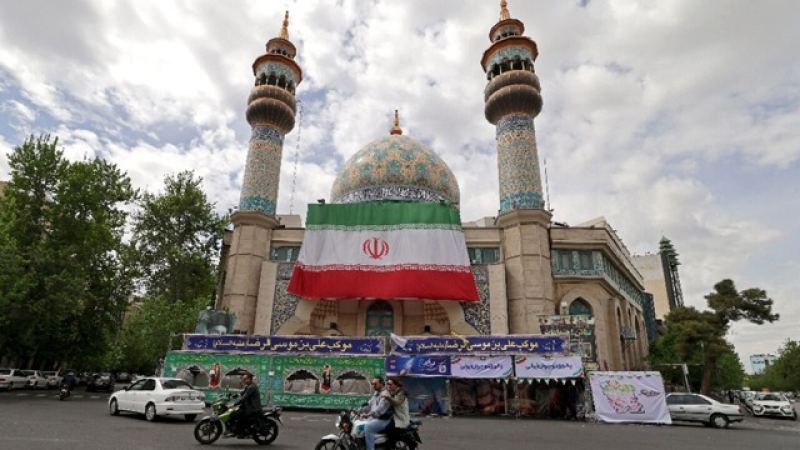
The United States and Iran have signalled readiness for confrontation as a fragile ceasefire nears expiry, with uncertainty clouding the next round of talks expected in Islamabad.
The White House said Vice President JD Vance was prepared to travel to Pakistan for renewed negotiations aimed at ending the conflict, which has unsettled the Middle East and rattled global markets.
However, Tehran has yet to confirm its participation, accusing Washington of breaching the truce through a naval blockade of Iranian ports and the seizure of a vessel.
Iran’s parliament speaker Mohammad Bagher Ghalibaf said the United States was attempting to force concessions through pressure. He warned that Iran would not engage in negotiations “under the shadow of threats” and indicated that Tehran was preparing for possible escalation.
The Islamic Revolutionary Guard Corps also warned it could target vessels attempting to pass through the Strait of Hormuz without authorisation, raising concerns over a key global energy route that handles a significant share of the world’s oil supply.
Donald Trump, who had earlier announced the ceasefire, maintained that pressure on Iran would continue until a deal is reached, particularly on its nuclear programme. He warned that failure to extend the truce could lead to renewed hostilities.
Despite initial plans, confusion persists over the timing and format of the proposed talks, with conflicting signals from both sides.
Markets reacted cautiously, with oil prices fluctuating amid hopes for a diplomatic breakthrough, even as tensions remain high.
Meanwhile, a separate ceasefire between Israel and Lebanon is also under strain. Continued violence and political tensions have raised concerns over a broader regional escalation.
Diplomatic efforts are ongoing, but deep divisions remain, leaving the future of negotiations uncertain as the ceasefire deadline approaches.