

- 16 DIGs Among 17 Police Officials Sent on Retirement |
- Remittance Hits $3.12b in April, Continues Uptrend |
- Exports Jump 33% in April, Ending Months of Decline |
- Over 1.23cr sacrificial animals ready for Qurbani: Minister |
- Seven killed in truck-pickup crash in Sylhet |
Iran Seeks 30-Day War End Deal as Trump Expresses Doubt
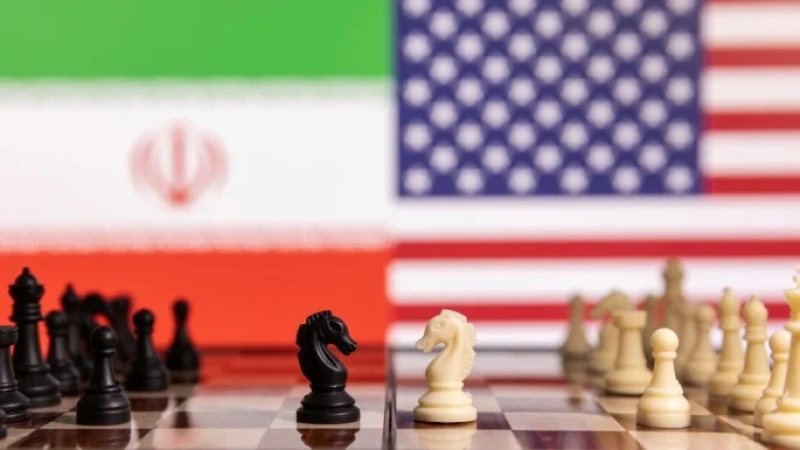
Iran has proposed a 30-day timeline to resolve outstanding issues with the United States, aiming for a full end to the ongoing conflict rather than simply extending a fragile ceasefire, according to state-linked media reports.
The proposal, described as a 14-point plan, was presented as a response to a US peace framework and calls for a complete halt to hostilities, lifting of sanctions, withdrawal of US forces from the region, and an end to military actions, including Israel’s operations in Lebanon.
The plan was reportedly sent to Washington through a Pakistani intermediary. Pakistan has previously played a mediating role in indirect discussions between the two sides.
US President Donald Trump said on Saturday that he was reviewing the Iranian proposal but expressed skepticism that it would lead to a final agreement. He had earlier rejected an initial offer from Tehran, though diplomatic contacts have continued alongside a fragile ceasefire.
The proposal also includes sensitive regional issues such as naval activity in the Strait of Hormuz, where Iran has taken a firm stance, insisting it will not return to pre-war conditions. Iranian officials have previously warned that only selected vessels would be allowed passage under regulated terms.
Tensions around the waterway remain high, with the United States tightening pressure through naval measures and sanctions targeting Iranian oil revenue.
Meanwhile, Iran’s currency continues to weaken, with the rial sliding further in unofficial markets amid economic uncertainty and ongoing conflict-related disruptions. Analysts warn that instability may deepen if tensions persist.
The diplomatic push comes as regional and international actors continue efforts to prevent further escalation and sustain the current ceasefire framework.