

- Japan views Bangladesh as key dev partner: Jamaat Ameer |
- Credit cards emerge as a financial lifeline for middle-class |
- Call for a radical shift to solar, LNG to overcome energy crisis |
- Measles Death Toll in Children Surpasses 350 |
- Global Eid on Same Day ‘Not Practical’: Mufti Malek |
Houthis enter war, raising fears for global trade
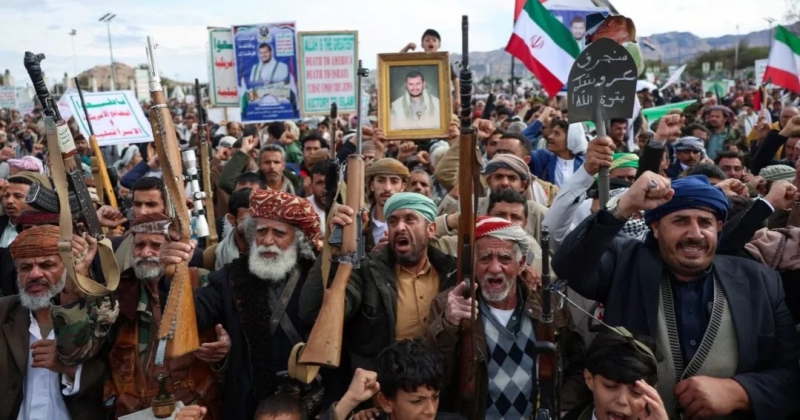
Iran-backed Houthi rebels have entered the widening Middle East conflict, fuelling fresh fears over global shipping, energy supplies and regional stability as the war moves into its second month.
The Houthis said they fired two missiles toward Israel on Saturday, claiming to have targeted sensitive military sites. Their entry into the conflict has renewed concerns over possible disruption to the Bab el-Mandeb Strait, a vital maritime route that carries roughly 12 per cent of global trade.
The war has already unsettled international markets, disrupting oil and gas supplies, straining fertiliser availability and affecting air travel across parts of the region. Iran’s influence over the Strait of Hormuz has added to the anxiety, with investors closely watching the risk of further supply shocks.
At the same time, the United States and Israel have continued military strikes on Iran, while Tehran has responded with missile and drone attacks targeting Israel and Gulf states. Residents reported intense airstrikes in Tehran late Saturday as the conflict showed no sign of easing.
In a limited positive development, Iran agreed to allow humanitarian aid and agricultural shipments through the Strait of Hormuz following a United Nations request. Even so, pressure remains high, with Washington demanding the full reopening of the key waterway within days.
The military build-up in the region is also deepening. Around 2,500 US Marines, along with additional airborne forces, have arrived in the area, underscoring fears that the conflict could spread further. Recent attacks have also left American personnel wounded at a Saudi air base.
Diplomatic efforts are continuing, with Pakistan hosting talks involving Saudi Arabia, Turkey and Egypt in an attempt to contain the crisis and push for a ceasefire. However, hopes for a breakthrough remain uncertain, with Iran expressing doubts over recent proposals.
The conflict has already claimed more than 3,000 lives across the region, including in Iran, Israel, Lebanon and Iraq, highlighting the growing human and geopolitical cost of the war.