

- UN, partners appeal for USD 710.5 mn for Rohingya response in BD |
- Govt to Build Ganga, Teesta Barrages for Water Security |
- Bangladesh Warned Repeatedly Over Measles Vaccine Gap |
- 163 Olive Ridley turtle hatchlings found on Kuakata beach |
Fragile Economy Amid Interim Govt’s Weak Stewardship
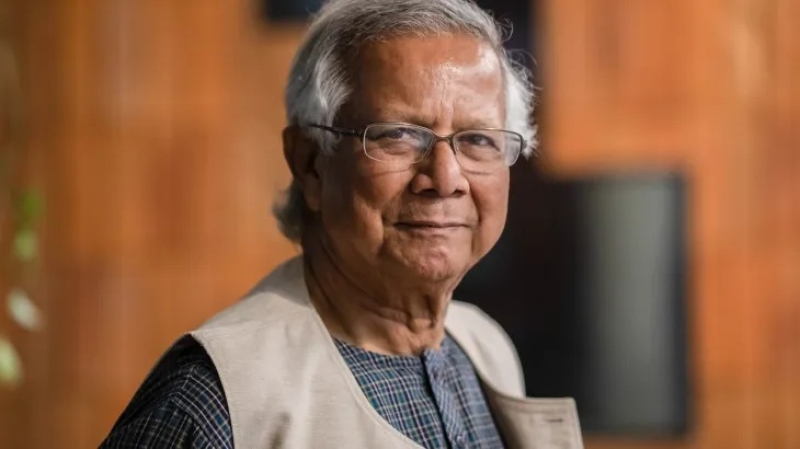
Bangladesh’s economy has come under sharp scrutiny following the end of the interim administration led by Nobel laureate Muhammad Yunus, with critics describing the economic situation as fragile and increasingly vulnerable.
Despite high expectations, economists, business leaders, and former officials argue that the administration struggled to stabilise key sectors. They say the focus on broad global ideas was not matched by effective economic management at home, leaving behind mounting challenges for the current government.
According to critics, the administration failed to address a range of pressing issues, including persistent inflation, rising interest rates, a surge in non-performing loans, declining investment, factory closures, and weakening export momentum. Concerns were also raised over revenue shortfalls, stalled development projects, and gaps in energy planning.
The economic strain is now being felt by the government led by Prime Minister Tarique Rahman, which is grappling with reduced reserves and growing debt obligations.
Business confidence reportedly weakened during the interim period, with many entrepreneurs citing a lack of engagement and policy direction. Analysts say this uncertainty discouraged both domestic and foreign investment, contributing to a broader slowdown in economic activity.
Former National Board of Revenue chairman Badiur Rahman criticised the administration’s performance, calling it ineffective and alleging that key appointments lacked the expertise needed to manage complex economic challenges. Banker and analyst Mamun Rashid echoed similar concerns, saying businesses were left without clear guidance.
Data points to a sharp deterioration in several indicators. Defaulted loans rose significantly, reaching an estimated Tk 5.30 lakh crore by mid-2025, up from Tk 2.11 lakh crore a year earlier. External debt climbed to $113.51 billion by December 2025, marking the highest level on record.
Interest rates also increased notably, with lending rates rising to as high as 14–16 percent. The higher cost of borrowing discouraged new investments, while at least 327 factories reportedly shut down, leaving more than 150,000 workers unemployed.
At the same time, inflation continued to erode purchasing power, forcing households to prioritise essential spending. Reduced consumer demand affected retail and wholesale sectors, while dollar shortages disrupted imports of fuel and liquefied natural gas, creating pressure on industrial production.
Law and order concerns and labour unrest further complicated the situation. Some international buyers shifted orders to competing markets such as India, Vietnam, and Cambodia, citing delays and instability.
Several foreign agreements signed during the period have also drawn criticism. A reciprocal trade arrangement with the United States involves large-scale imports of American goods in exchange for tariff benefits, but analysts argue the terms may not be balanced. Similarly, a long-term LNG deal with Excelerate Energy has raised questions over pricing and strategic flexibility.
Overall, analysts say the combination of policy gaps, financial strain, and declining investor confidence has left the economy exposed, making recovery more challenging in the near term.