

- PM Tarique Rahman Pledges Inclusive Dev in Dialogue with Persons with Disabilities |
- PM Inspects 13 Dhaka Sites, Sets Deadlines for Cleanliness |
- Efforts to build a clean Bangladesh must start now, PM tells students |
- Five killed as fire breaks out in Cox’s Bazar resort |
- PM visits hospitals and edu institutions to assess dengue situation |
Govt Mulls Black Money Amnesty in New Budget
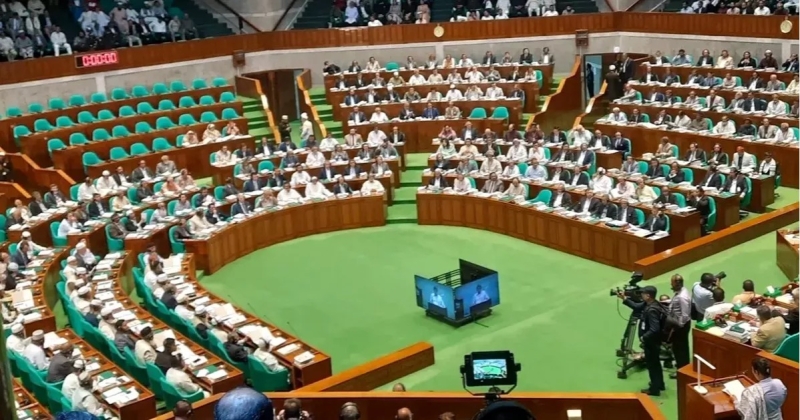
The government is considering introducing a fresh tax amnesty in the upcoming national budget for FY2026-27, allowing individuals to legalise undisclosed domestic and overseas assets by paying a specified tax rate, officials familiar with the process said.
The proposed measure is aimed at increasing private sector investment, mobilising idle funds, and bringing untaxed money into the formal economy at a time when investment growth remains sluggish.
The national budget for the next fiscal year is scheduled to be placed in Parliament on June 11.
Finance Ministry sources said policymakers are exploring different options for incorporating undisclosed wealth into the mainstream financial system through a structured framework.
The issue gained renewed attention during pre-budget consultations in April, when the Real Estate and Housing Association of Bangladesh (REHAB) urged the government to allow the purchase of apartments without requiring disclosure of the source of funds.
The organisation also called for restoring earlier legal provisions that previously allowed investment of untaxed income in the housing sector to stimulate real estate activity and broader economic growth.
Bangladesh has a long history of offering opportunities to legalise undisclosed income. The practice was first introduced in 1975 and has since been continued in different forms under successive governments.
A record amount of untaxed money was legalised during the military-backed caretaker government in FY2007-08 and FY2008-09. The figure was later surpassed in FY2020-21, when more than Tk20,500 crore was whitened by thousands of individuals under a reduced tax rate.
Subsequent budgets also introduced various incentives to repatriate offshore assets and legalise undeclared cash, investments, and property holdings.
In the current fiscal year, the government allowed the legalisation of undisclosed money through investment in apartments and buildings under area-based tax structures. However, the policy faced criticism from economists and civil society groups, who argued that repeated amnesty schemes reward tax evasion and undermine compliant taxpayers.
Under the existing framework, taxes for legalising funds through flat purchases vary depending on location and property size, while separate rates apply to building construction.