

- Dry Monsoon in South Asia: Looming Fears of Agricultural Loss |
- Flood-ravaged Nepal calls for climate justice |
- If Long March Solved Energy Crisis, We’d Organise It: PM |
- Freedom of speech should not cross limits of civility: PM |
- Bangladesh Condemns Israeli Settlement Plan in West Bank |
Bangladesh Gets US Tariff Relief for Cotton Apparel
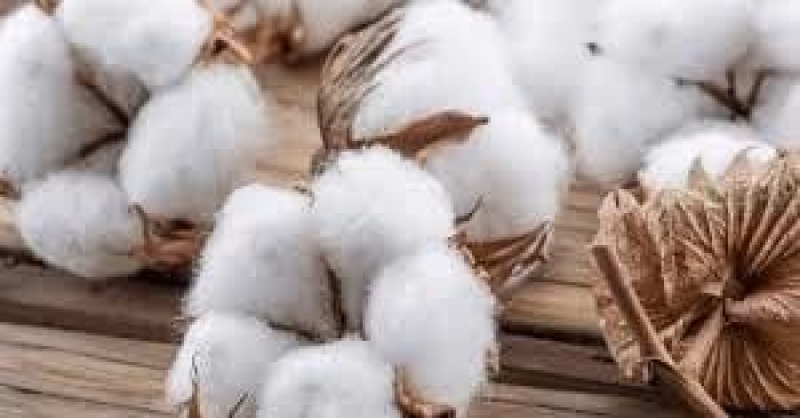
Bangladesh is set to receive tariff reductions on apparel made using American cotton and textile inputs under a new trade arrangement with the United States, a move expected to support the country’s garment exports and strengthen bilateral trade ties.
According to US officials, the commitment forms part of a broader initiative aimed at boosting the use of American-grown cotton in global textile production. The tariff benefits for Bangladesh will apply to garments manufactured with US cotton and textile materials, alongside additional tariff concessions under a reciprocal trade framework.
The development follows the launch of the “Great American Cotton Plan,” a programme introduced by the United States Department of Agriculture (USDA) to strengthen the American cotton industry, expand textile manufacturing and increase overseas demand for US cotton products.
Officials said Bangladesh and Indonesia have committed to supporting future purchases of US cotton under the initiative. Indonesia, for example, agreed to import a minimum quantity of American cotton annually over the next five years.
The new arrangement is expected to preserve Bangladesh’s access to the US market with reduced tariff rates on apparel exports, easing pressure on the country’s vital readymade garment sector.
US officials described the agreement as a step toward a more balanced trade relationship, aimed at supporting businesses and workers in both countries while strengthening supply chains in the textile industry.
The initiative comes as the US cotton sector faces mounting economic challenges, including rising production costs, competition from synthetic fibres and declining export dominance.
Bangladesh’s garment industry, one of the country’s largest export earners, may benefit from lower duties if manufacturers increase the use of American cotton and textile inputs in production.