

- Earth Gets a Tiny New Mini-Moon Until December |
- What to expect at Climate Talks in Antalya |
- Herzog Names Eisenkot to Form Israel’s Next Government |
- Seven Bangladeshis killed, 6 injured in Saudi road accident |
- Dhaka ranks 4th in global list of cities with worst air quality |
QatarEnergy to Supply 26 of Bangladesh’s 40 LNG Cargoes
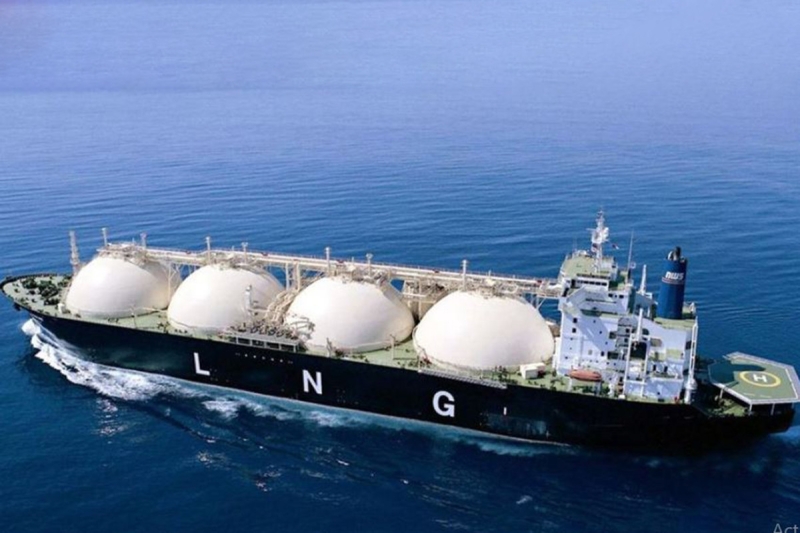
Bangladesh is revising its liquefied natural gas (LNG) import plans for 2027 amid conflict in the Middle East and uncertainty over shipping through the Strait of Hormuz.
Of the 40 LNG cargoes contracted for next year, QatarEnergy has committed to supplying 26, representing 65% of the total.
However, uncertainty over deliveries from other suppliers under long-term contracts has prompted the government to finalise the import schedule only through March for now.
Officials said the Cabinet Committee on Government Purchase had instructed Petrobangla to prepare a supply schedule through March rather than finalise the import plan for the entire year.
The flexible approach reflects expectations that shipping through the Strait of Hormuz could return to normal if an understanding is reached between the United States and Iran. If supply conditions improve, Bangladesh would have the option of purchasing additional cargoes.
According to Petrobangla, Bangladesh initially planned to import around 115 LNG cargoes in 2027. Of these, 103 were expected to come under long-term and short-term contracts. However, of the 128 cargoes covered by existing contracts, deliveries of only 71 had been confirmed at the time of reporting.
QatarEnergy's subsidiary, QatarEnergy Trading LLC, has indicated that it expects to supply 18 of the 24 cargoes contracted with it. Combined with QatarEnergy's 26 cargoes, the two companies are expected to supply Bangladesh with 44 cargoes from Qatar.
Meanwhile, Oman's state-owned OQ Trading (OQT) is scheduled to supply 32 cargoes but had not confirmed any deliveries at the time of reporting.
The company proposed supplying 16 cargoes and sought to change the existing Brent-indexed pricing arrangement to one based on the Japan-Korea Marker (JKM). Petrobangla rejected the proposal and urged the company to follow the existing contractual terms.
US-based Gunvor USA is expected to supply six cargoes in 2027, while France's TotalEnergies is expected to deliver 12. Of the 14 cargoes scheduled from US-based Excelerate Gas, nine have been confirmed.
With long-term contract deliveries falling short of expectations, Bangladesh has had to purchase more LNG from the spot market at higher prices, increasing financial pressure on the government.
The government spent Tk 10,300 crore in LNG subsidies during the first three months of the 2026-27 fiscal year.
Petrobangla will reassess the import plan later, taking into account supply conditions and developments in the international market.