

- Bangladesh Polls: Campaign Ends as Voters Weigh Pledges |
- Bangladesh Heads to First Gen Z-Driven Competitive Poll |
- EC Lifts Mobile Phone Ban, Bars Photos Inside Booths |
- Youth participation vital to BD’s democratic future: C’wealth Group |
- Stocks retreat on week’s first trading day as turnover drops |
Global Solar and Wind Growth Slowed in 2025, Report Finds
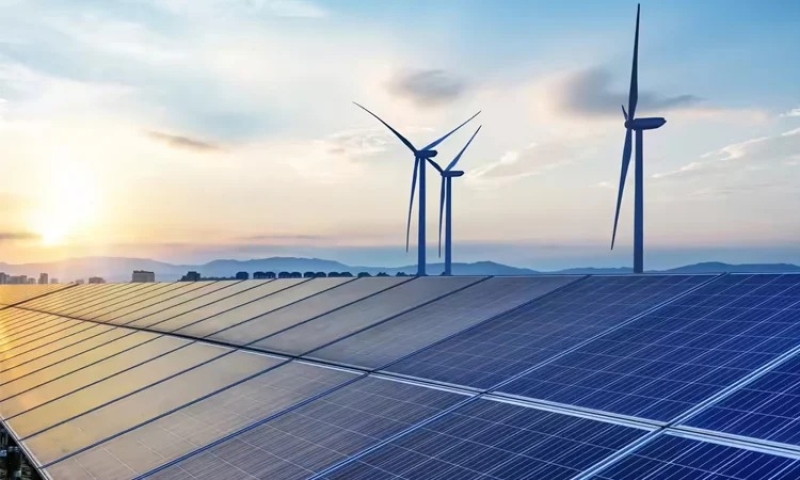
Planned and under-construction solar and wind projects slowed in 2025, raising doubts about whether countries will meet their goal of tripling renewable energy capacity by 2030.
Dozens of nations agreed in 2023 to triple renewable capacity by the end of the decade as part of global efforts to limit warming.
However, announcements and construction starts for new wind and solar projects grew by only 11 percent last year, down from 22 percent in 2024, according to Global Energy Monitor (GEM). Wind development faced particular hurdles.
“Wind developers encountered political barriers and a series of failed wind power auctions in wealthy countries,” GEM research analyst Diren Kocakusak said.
US policies have slowed some wind projects, with President Donald Trump expressing clear opposition to renewables, though GEM noted the global slowdown was not driven by any single country.
The analysis found that only a small fraction of wind and solar growth came from G7 nations, with the “centre of gravity” shifting toward emerging and developing economies. China continues to dominate, accounting for roughly a third of global renewable capacity growth in 2025—1.5 terawatts—more than the next six countries combined.
Even with ongoing projects, the world remains off track to meet the 2030 target. GEM research shows almost 40 percent of planned projects either start late, are put on hold, or are cancelled.
“Momentum appears to be slowing, but that’s not due to a lack of potential,” Kocakusak said. He added there is still “enough time” for countries to accelerate capacity growth. Unannounced solar projects and over 3.5 terawatts of wind and solar initiatives without confirmed start dates could contribute to reaching the 2030 goal if implemented swiftly.
Some wealthy countries are pushing forward: Japan is revising wind auction guidelines, and the UK is increasing investment. Yet challenges remain, including reports that Germany may limit grid priority for renewables.
“Whether the 2030 tripling target is achieved will depend on the level of commitment and implementation by countries and developers,” Kocakusak said.