

- Greenhouse Gas Levels Reach Record High in 2025: WMO |
- Dengue deaths hit 400 as 11 more die in 24 hours |
- Bangladesh’s Dengue Death Toll Hits 400 After 11 More Deaths |
- Support to coastal security, early completion of MRT lines, Airport Terminal III, business promotion assured |
- Tarique Seeks Japanese Support for Energy, Tech and Infrastructure |
How Muslims Observe Ramadan: Fasting, Prayer, and Charity
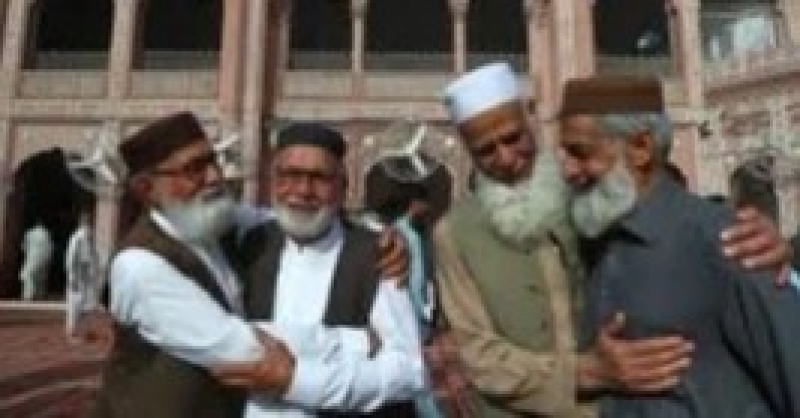
Muslims worldwide are preparing to observe Ramadan, the Islamic holy month marked by daily fasting from dawn to sunset. It is a period of intensified worship, spiritual reflection, and charitable giving. Evenings are often spent with family and friends sharing iftar, the meal that breaks the fast.
Ramadan concludes with Eid al-Fitr, one of Islam’s major celebrations. This year, the month is expected to begin around February 18 or 19, though the exact date may vary by country, depending on moon sightings or calculation methods. Interestingly, it coincides roughly with Ash Wednesday, the start of Lent in the Christian calendar.
Fasting is one of Islam’s Five Pillars, alongside declaration of faith, daily prayers, almsgiving, and pilgrimage. Observers abstain from food and drink, including water, from dawn until sunset. The practice teaches patience, gratitude, and empathy for those facing hardship. Suhoor, a pre-dawn meal, helps prepare for the day, while mosques see increased attendance for prayers, Quran recitation, and contemplation. Charitable acts, such as distributing food or sponsoring community iftar meals, are especially emphasized.
Exemptions exist for those unable to fast due to illness, travel, or other valid reasons. Missed days are usually made up later.
Cultural traditions vary widely. In Egypt, colorful lanterns, special songs, and pre-dawn drum calls by the mesaharati mark the month. In Indonesia, rituals include sharing livestock meat in Aceh and symbolic river cleansing in Tangerang. In the United States, Muslims often gather for communal or interfaith iftars, strengthening bonds and promoting understanding.
Across the globe, Ramadan remains a time of devotion, generosity, and shared experience, blending religious observance with local customs and social traditions.