

- Rooppur NPP: Rosatom installs automated control system at Unit-1 |
- Mount Everest season opens late, despite huge ice block, high travel costs |
- 2 more children die with measles-like symptoms in Sylhet |
- Dhaka again ranks world’s most polluted city Friday morning |
- Speed up nationality verification for ‘illegal’ migrants: Delhi |
A Special Treat of Ramadan, Iftar Strengthens Social Bonding
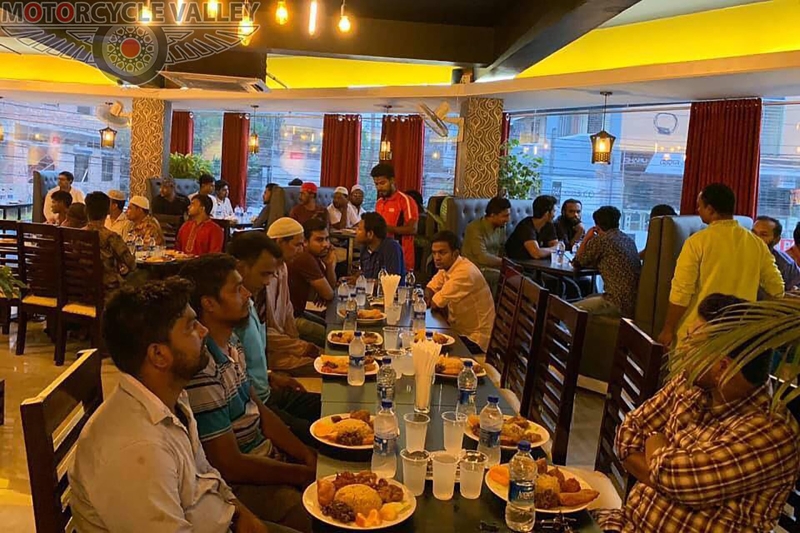
As the sun slowly sets and the call to prayer echoes from mosques across Bangladesh during the holy month of Ramadan, millions of Muslims prepare to break their fast with a special meal called iftar. This daily breakfast, observed after a long day of fasting from dawn to dusk, is not merely about eating; it has grown into a vibrant cultural tradition reflecting generosity, social unity and spiritual devotion.
Over the centuries, taking iftar together has evolved into a deeply rooted social culture. From mosques and madrashas to offices, community centres and political gatherings, iftar has become a treat that brings people from all walks of life together. It is a moment when religious observance merges with hospitality and compassion, strengthening social bonds within communities.
One of the most visible expressions of this community eating can be seen in mosques and madrashas. During Ramadan, these religious institutions often host large iftar events for devotees. The iftar mehfils are usually sponsored by well-off individuals, philanthropists or managing committees of the social organisations or religious institutions.
Such treats ensure that everyone—regular worshippers, travellers, workers and even passersby—can participate in the iftar. As sunset approaches, long rows of plates and glasses are arranged inside mosque courtyards or prayer halls. Dates, water and various traditional snacks are neatly placed in front of each participant.
Moments before the Maghrib prayer, hundreds of fasting people sit together patiently, waiting for the azan, the call to prayer. The atmosphere is filled with calm anticipation. Once the call to prayer is heard, the fast is broken collectively, often beginning with dates and water, following the tradition of the Prophet Muhammad (peace be upon him).
For many people, especially those who live away from their families or cannot afford elaborate meals, such community iftars provide not only food but also a sense of belonging. It is a reminder that Ramadan is a time for sharing and caring for others.
Beyond mosques and madrashas, iftar gatherings are widely organised by various institutions and organisations across the country. Government offices, private companies, universities, professional associations and social groups frequently host iftar mehfils throughout the holy month.
These events often serve multiple purposes. While they are religious gatherings that mark the spiritual significance of Ramadan, they also provide opportunities for networking, strengthening professional relationships and promoting social harmony.
Political parties in Bangladesh also organise numerous iftar mehfils during Ramadan. Party leaders, activists, supporters and guests gather at these events to break their fast together. These gatherings often turn into platforms for discussion, interaction and public engagement, reflecting the unique blend of religion, culture and politics.
In addition, charitable organisations and community groups regularly arrange iftar for the poor and underprivileged. Volunteers distribute food packages or organise open iftar tables where anyone can join without hesitation. These efforts embody the spirit of Ramadan, which emphasises generosity, empathy and support for those in need.
Another striking aspect of the Ramadan season is the transformation of food choices. Restaurants, hotels and roadside eateries introduce special iftar menus to cater to the growing demand. As afternoon approaches, food stalls become crowded with customers purchasing various delicacies for their families.
From large hotels in metropolitan cities to small roadside vendors in rural towns, almost every food outlet prepares special dishes during Ramadan. The colourful displays of iftar items attract customers, creating a festive atmosphere in markets and streets.
Many restaurants offer elaborate iftar buffets featuring a wide range of traditional and modern dishes. Families, friends and colleagues often choose these venues to enjoy iftar together in a comfortable setting. The hospitality industry experiences a significant surge in business during this period as people seek diverse culinary experiences.
The list of popular iftar items in Bangladesh is long and diverse, reflecting the country's rich culinary heritage. The most common item is date, which is commonly used to break the fast. Along with dates, drinks such as lemon juice, tang, ruh-afza, milkshake or fresh fruit juices are widely consumed to rehydrate after a long day of fasting.
Various snacks form the heart of Bangladeshi iftar. Puffed rice (muri), chanachur and spiced chickpeas (chola) are the main items in almost every household. These often come with fried delicacies such as piaju (lentil fritters), beguni (eggplant purple), potato chop, pakora and samosa.
Sweet treats also hold a special place on the iftar table. Jilapi (jalebi), bundia and various traditional sweetmeats are commonly served, providing a delightful contrast to the savoury items. Doi (yoghurt) and doi-chira (flattened rice mixed with yoghurt) are also popular, especially for those who prefer lighter meals.
Those who seek richer flavours, widely enjoy dishes such as kababs, grilled chicken and halim. Halim, a slow-cooked mixture of wheat, lentils and meat, has become particularly popular during Ramadan. Many renowned eateries attract long queues of customers eager to taste their special versions of this dish.
Seasonal fruits also form an essential part of iftar. Watermelon, papaya, banana, apple and other fresh fruits are often included in the meal, providing natural sweetness and nutrition. In some regions, traditional pitha varieties are also prepared, adding a local variation to the Ramadan cuisine.
Despite the diversity of dishes, the essence of iftar lies not in the food itself but in the act of sharing. The tradition of eating together fosters a deep sense of community and solidarity.
Inside homes, families gather around the dining table just before sunset. Parents, children and relatives sit together, waiting for the moment to break their fast. For many families, this daily gathering is one of the most cherished moments of Ramadan.
In today's busy world, when work schedules and modern lifestyles often limit family interactions, Ramadan provides a unique opportunity for families to reconnect. The act of sharing iftar strengthens emotional ties and reinforces the values of compassion and unity.
Children eagerly wait for the azan while helping their parents arrange plates and glasses. Elderly family members share stories and blessings, creating an atmosphere of warmth and affection.
For many Bangladeshis living in cities away from their homes, communal iftar gatherings with friends or colleagues become a substitute for family meals. These help reduce feelings of loneliness and create a sense of extended family among participants.
Another interesting dimension of the iftar in Bangladesh is the growing presence of street iftar events organised by youth groups and volunteers. In several cities, young people set up temporary stalls along busy roads to distribute free iftar to pedestrians, rickshaw pullers and transport workers.
Such initiatives highlight the spirit of volunteerism that flourishes during Ramadan. Participants often contribute small amounts of money or food items, collectively organising iftar for strangers. The gesture reflects a powerful message of solidarity and compassion.
The cultural significance of iftar in Bangladesh extends beyond religious practice. It has become a symbol of social harmony where people from different backgrounds come together with a shared purpose.
Non-Muslims often participate in iftar mehfils organised by friends, colleagues or neighbours, demonstrating the country's tradition of communal coexistence and mutual respect.
Moreover, iftar events often serve as platforms for dialogue and understanding. Leaders from different sectors—politics, business, media and civil society—frequently meet at iftar to exchange ideas and strengthen relationships.
In rural areas, the simplicity of communal iftar events reflects the deep-rooted values of village life. Residents may contribute small portions of food and share them collectively at mosques or community spaces. Though modest, these meals carry immense emotional significance.
The iftar breakfast continues to evolve with time, influenced by urbanisation, modern lifestyles and changing food habits. Yet the fundamental values remain unchanged—generosity, hospitality and togetherness.
Ramadan, therefore, is not only a month of fasting and prayer but also a holy time that reinforces social connections in Bangladeshi society. Through community iftars the spirit of unity becomes visible. The simple act of sharing food continues to remind people of the importance of compassion and community. (This story has been published in the March print edition of the GreenWatch)