

- Dhaka’s air quality moderate on Sunday morning |
- Special prayer held at DU on 45th death anniv of Ziaur Rahman |
- 55-year-old dies in Chuadanga as fibrous mango bit blocks throat |
- Dhaka's air quality ‘moderate’ during Eid holiday |
- Thousands of tourists flock to Kuakata during Eid festival |
Cancer Injection Shows Hope in Head, Neck Trial
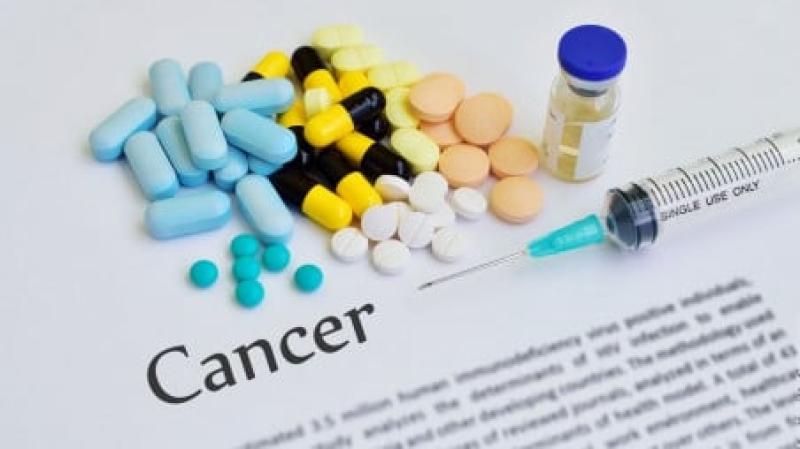
A new injectable cancer treatment has shown promising results in patients with advanced head and neck cancer, eliminating tumours in some cases and significantly shrinking them in others during an international clinical trial.
The treatment, known as amivantamab, was tested in 102 patients across 11 countries whose cancers had stopped responding to both chemotherapy and immunotherapy. Researchers described the findings as encouraging for patients with limited treatment options and poor survival prospects.
According to the study, tumours disappeared completely in 15 patients, while 43 experienced either full tumour elimination or major tumour reduction following treatment.
Researchers said patients receiving the therapy survived for a median of 12.5 months, marking a notable improvement for a form of cancer that is often difficult to treat.
The trial focused on head and neck cancers unrelated to the human papillomavirus (HPV), a type generally considered more aggressive and resistant to treatment than HPV-related cancers.
Amivantamab works by targeting multiple cancer pathways. It blocks proteins linked to tumour growth and treatment resistance while also helping the immune system recognise and attack cancer cells.
Unlike many cancer therapies that require hospital-based intravenous treatment, the drug is administered through a small injection under the skin once every three weeks, allowing patients to receive care in an outpatient setting.
Researchers said side effects were mostly mild to moderate, with fewer than one in 10 participants stopping treatment because of complications.
One patient reportedly regained the ability to speak and return to a normal diet after experiencing reduced pain and swelling following several months of treatment.
The drug is also being studied in dozens of clinical trials for other diseases, including lung, colorectal, brain and stomach cancers. Researchers say larger studies will be needed to confirm the treatment’s long-term effectiveness, but the early results suggest it could benefit thousands of patients in the future.