

- WB ready to support Bangladesh amid external economic shocks: Khosru |
- PM, World Bank President Discuss Bangladesh’s Development |
- Bus Fares Rise by 17 Paisa Per Kilometre |
- PM arrives in New York to attend 81st UNGA session |
Drug Resistance, Funding Gaps Stall Global Malaria Progress
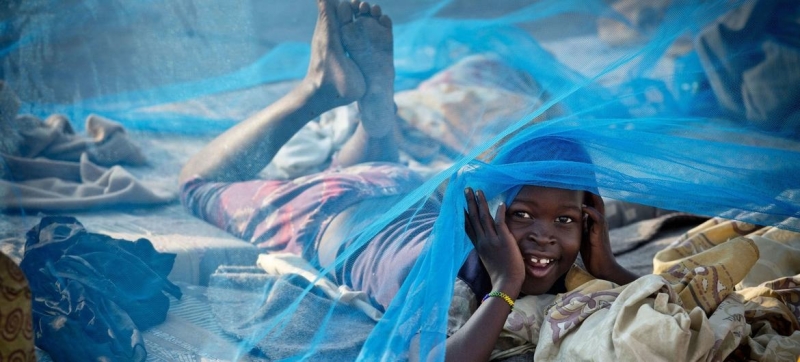
The latest World Malaria Report, released by the World Health Organization (WHO) on Thursday, warns that rising resistance to antimalarial drugs now poses one of the most acute threats to malaria control efforts across Africa and beyond.
Malaria, a parasitic mosquito-borne disease, is both preventable and curable, yet it continues to be a major global health threat. It claims hundreds of thousands of lives each year—mostly young children and pregnant women in sub-Saharan Africa.
According to the report, remarkable progress has been made since 2000: an estimated 14 million lives have been saved over the past 25 years, and 47 countries have achieved malaria-free status.
Despite this progress, malaria remains deadly. More than 280 million cases and over 600,000 deaths were recorded in 2024, with 95 per cent of all infections occurring in Africa, mainly in just 11 countries.
Rising resistance
A key obstacle to eliminating malaria is the growing resistance to antimalarial medicines. This year’s report includes a dedicated chapter on the issue, noting that eight countries have reported confirmed or suspected resistance, including to artemisinin, a WHO-recommended treatment.
To address this trend, WHO advises countries to avoid relying on a single drug and to strengthen surveillance and regulatory systems.
Funding shortfalls
Chronic underfunding—exacerbated by conflict, climate impacts and fragile health systems—remains another major challenge. Only $3.9 billion was invested in 2024, less than half of WHO’s target. Overseas Development Aid (ODA) from high-income countries has fallen by around 21 per cent.
Without additional investment, the report warns of a potential massive resurgence of the disease.
‘The red lights are flashing’
“Malaria is still a preventable and treatable disease, but that may not last forever,” said Dr Martin Fitchet, CEO of the Medicines for Malaria Venture, at a WHO press briefing.
He stressed that increased surveillance and rapid innovation in drug development are critical to prevent the parasite from outrunning current treatments. Dr Fitchet recalled the deadly consequences of widespread chloroquine resistance in the 1980s and 1990s, which caused millions of deaths—mostly children.
"Today, the red lights are flashing again, with an increasing number of resistant mutations emerging in Africa,” he warned. “Our long-term victory against malaria depends on developing the next generation of medicines.”
He emphasised that no single tool or actor can succeed alone, calling for broad partnerships across industry, global health agencies, academia, civil society and communities.