

- NCP Khulna Chief Critically Shot Amid Rising Political Violence |
- Indian MP Warns Bangladesh Faces Rising Lawlessness |
- Law and Order Must Be Ensured Ahead of Polls: Prof Yunus |
- Tough times ahead, everyone must remain united: Tarique Rahman |
- Sirajganj’s luxuriant mustard fields bloom as an oasis of gold |
Saudi Arabia Sees Record-High Executions in 2025
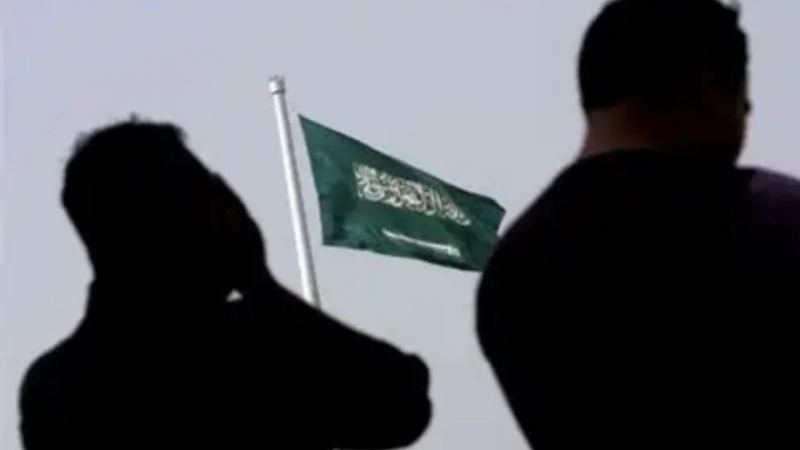
Saudi Arabia carried out at least 347 executions in 2025, setting a new record for the second consecutive year, according to monitoring groups. Rights organizations described this as the highest number since official records began.
About two-thirds of those executed were convicted of non-lethal drug offenses, including at least 96 cases related to hashish. The United Nations has previously stated that using the death penalty for such crimes is “incompatible with international norms.”
More than half of those executed were foreign nationals. The list also included five women, a journalist, and individuals who were minors at the time of their alleged crimes, such as Abdullah al-Derazi and Jalal al-Labbad.
Rights groups including Reprieve and Human Rights Watch have criticized the Saudi justice system, citing widespread torture, forced confessions, and a lack of transparency. Families are often not informed ahead of executions, and bodies are frequently not returned.
Crown Prince Mohammed bin Salman has introduced social reforms, such as allowing women to drive and reducing the powers of the religious police. However, critics argue that dissent is still heavily suppressed and executions continue with “complete impunity,” despite the kingdom’s global profile through international events.
Saudi authorities maintain that the country upholds human rights, saying torture is prohibited under law and that the death penalty is reserved for the “most serious crimes” following thorough judicial procedures.