

- Gambia Tells UN Court Myanmar Turned Rohingya Lives Hell |
- U.S. Embassy Dhaka Welcomes Ambassador-Designate Brent T. Christensen |
- Survey Shows Tight Race Between BNP and Jamaat-e-Islami |
- Yunus Urges Lasting Reforms to End Vote Rigging |
- Govt Cuts ADP to Tk2 Lakh Crore Amid Fiscal Pressure |
How NATO works as Trump threatens to seize Greenland
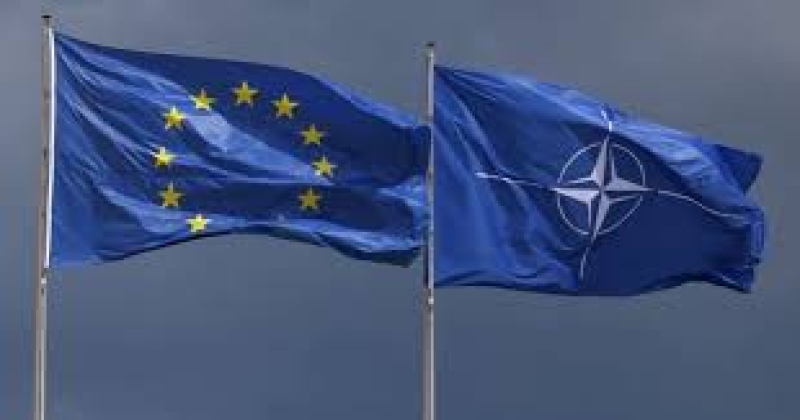
President Donald Trump’s repeated threats to seize control of Greenland have strained relations within NATO and raised questions about how the world’s largest security alliance functions when tensions arise among its own members.
NATO, founded in 1949 to counter the Soviet Union, is built on collective defense — the principle that an attack on one member is considered an attack on all, enshrined in Article 5 of its founding treaty. The alliance now has 32 members and officially views Russia and international terrorism as its main threats.
Article 5, however, is designed to respond to attacks from outside the alliance, not conflict between members. If the United States were to act militarily against Denmark — of which Greenland is a semi-autonomous part — the clause would not apply because NATO decisions require consensus, and unanimity would be impossible.
Trump has said he wants Greenland to prevent Russia or China from gaining influence in the Arctic and has not ruled out using force. Danish Prime Minister Mette Frederiksen warned that a US attack on another NATO country would fundamentally undermine the alliance.
NATO has limited tools to manage disputes between allies. Denmark could invoke Article 4, which allows consultations when a member feels its security or territorial integrity is threatened, but such talks do not mandate action.
The United States remains NATO’s most powerful member, far outspending and outmatching allies militarily. While NATO depends heavily on US leadership, a confrontation involving Washington would deeply divide the alliance, as seen during the 2003 Iraq war.
NATO’s civilian operations are led by Secretary-General Mark Rutte, who seeks consensus and avoids public criticism of member states. He has emphasized shared concern over Arctic security while downplaying suggestions of a crisis.
Ultimately, NATO’s strength depends on political trust among allies — a foundation that would be severely tested by any move against Greenland, reports UNB.