

- Dhaka’s air quality moderate on Sunday morning |
- Special prayer held at DU on 45th death anniv of Ziaur Rahman |
- 55-year-old dies in Chuadanga as fibrous mango bit blocks throat |
- Dhaka's air quality ‘moderate’ during Eid holiday |
- Thousands of tourists flock to Kuakata during Eid festival |
Who Should Pay for Care in an Ageing World?
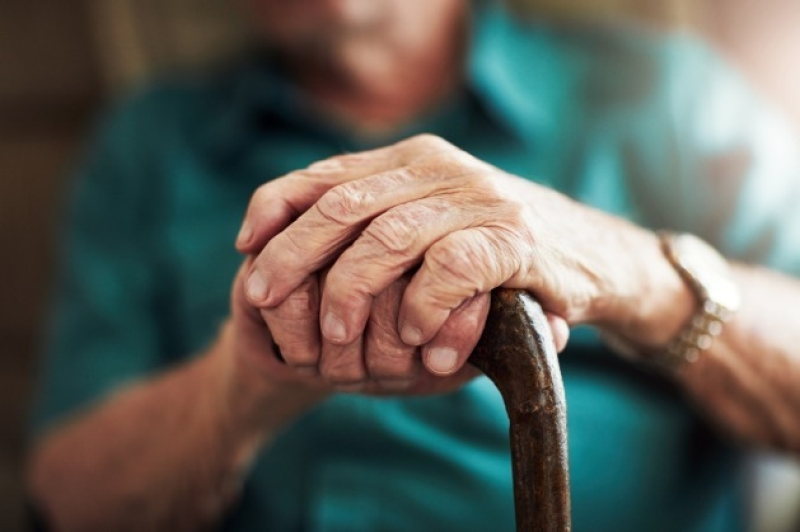
The question of who should be responsible for meeting the rapidly growing need and expenses for elderly care remains a contentious issue in many countries.
Who should be responsible for providing care and covering expenses for older people? Should it be governments, individuals themselves, their families, a combination of all three, or an entirely new social arrangement?
As populations age and people live longer, the proportion of working-age individuals is shrinking while tax revenues face increasing pressure. This creates growing challenges for governments in financing elder care, particularly in nursing services and healthcare systems.
These pressures are driven by rising demand, workforce shortages, and rapidly increasing costs, all of which are expected to intensify in the coming years.
The challenge is further complicated by age discrimination against older people, which is becoming more widespread. It has been linked to poorer physical and mental health, slower recovery from illness or disability, and even higher mortality rates.
Globally, the share of people aged 65 and above has doubled from 5% in 1950 to 10% today, and is projected to reach 16% by 2050. Most older adults are under 75, with 41% aged 65–69 and 29% aged 70–74.
The ageing trend is even more pronounced in some countries. In Japan, the proportion of older people has increased sixfold since 1950. In Italy and China, it has tripled. By 2050, around one-third of the populations of Japan, Italy, and China are expected to be aged 65 or older.
At the same time, global life expectancy has risen from 46 years in 1950 to 74 years in 2026. It is projected to reach nearly 80 years by 2070, with several countries expected to approach or exceed 90 years.
Older people in need of care are more likely to be women, aged 80 and above, and living alone. Many experience social isolation, which negatively affects both mental and physical health. They also tend to have lower incomes than the national average.
The cost of elder care varies widely across countries and is mainly driven by labour costs, healthcare infrastructure, and public subsidies.
In many high-income countries, governments are reluctant to fully absorb rising care costs. Instead, some systems rely heavily on migrant workers, often under informal or unstable conditions, which creates further challenges in training, protection, and retention.
For example, annual assisted living costs in the United States can average around $75,000. In Switzerland, nursing home care can exceed 100,000 Swiss francs per year. In Germany, annual costs typically range between €36,000 and €48,000.
Even in OECD countries with public support systems, nearly half of older people with care needs remain at risk of poverty, particularly those requiring intensive care. On average, out-of-pocket expenses account for about 70% of an older person’s median income.
In many lower-income countries, care is still largely provided by families, often without formal support. However, changing demographics, urbanisation, and smaller family sizes are placing increasing strain on this model.
Some countries, including Germany, Japan, South Korea, and the Netherlands, have introduced mandatory long-term care insurance funded through payroll contributions.
Despite these measures, informal caregiving remains common, with women providing the majority of unpaid care. This system is under growing pressure due to rising costs, migration, and changing family structures.
At the same time, older people often live with multiple chronic conditions such as diabetes, heart disease, dementia, arthritis, and stroke, which further increases the demand for long-term care.
In conclusion, population ageing and longer life expectancy are reshaping societies and placing heavy demands on care systems worldwide. The question of who should bear the responsibility and cost of elder care remains unresolved.
Public opinion often favours greater government responsibility, while many governments emphasise individual and family responsibility due to fiscal constraints. Others argue that new social and policy frameworks are needed to address the scale of the challenge.