

- Bangladesh to Introduce New Law to Curb Extortion, IGP Says |
- UN Marks 81 Years of Global Cooperation and Peace |
- Dhaka's air 5th worst in the world this morning |
- Around 7,500 Bangladeshis imprisoned in Saudi Arabia: Shama Obaed |
- Bangladesh Outperforms India in Global Hunger Index 2026 |
High Seas Treaty Set to Transform Global Ocean Protection
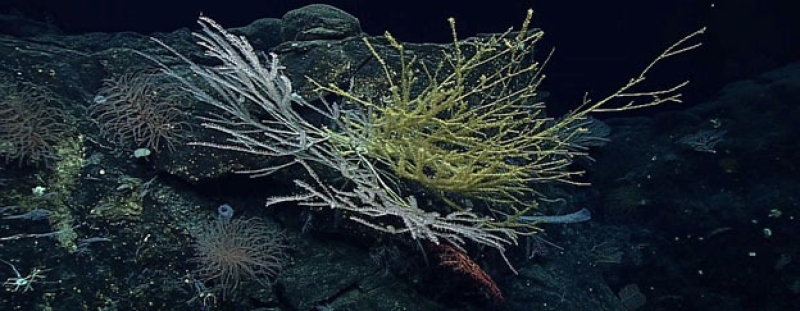
Game-changing international ocean treaty comes into force.
“The ocean’s health is humanity’s health,” said UN Secretary-General Antonio Guterres in September 2025.
He made the remarks after the High Seas Treaty (BBNJ) finally achieved ratification, calling for its “swift and full implementation” by all partners. As of January 17, 2026, the treaty has entered into force, meaning the time for implementation is now.
What is the High Seas Treaty?
Only one per cent of the high seas is currently protected. The new treaty will significantly expand safeguards, with far-reaching implications for activities covering nearly 50 per cent of the Earth’s surface.
For the first time, the High Seas Treaty establishes a legal mechanism to govern activities affecting biodiversity in ocean areas beyond national jurisdiction — outside countries’ Exclusive Economic Zones (EEZs), which typically extend 200 miles from their coastlines.
The agreement was reached after nearly 20 years of negotiations, much of which were driven by Small Island Developing States (SIDS), Indigenous peoples and coastal communities. For these groups, the relationship with the ocean is most direct, and the threats to it are existential.
The treaty’s entry into force sends a powerful message about the importance of collaboration in confronting environmental risks that threaten both the global economy and humanity.
The agreement will change how activities on the high seas — and those affecting them — are planned, monitored, managed and reported. This new level of transparency is expected to drive accountability and improve the relationship between economic activity and the natural systems on which it depends.
What you need to know
As an international legal mechanism, the treaty will have significant implications for companies and financial institutions.
Key outcomes
1. Increased transparency in ocean-based activities
The agreement introduces new monitoring and transparency requirements for countries, including Environmental Impact Assessments (EIAs), alongside rules governing high seas genetic resources, biological samples and digital sequence data. It also establishes a publicly accessible database to promote data sharing and real-economy transparency.
As a result, many aspects of companies’ high seas-related projects will become accessible to stakeholders.
With increased public access to environmental studies and mitigation plans, companies should prepare to report on activities such as fishing, shipping, energy infrastructure, mining and bioprospecting, as well as emerging activities like carbon dioxide removal technologies.
Companies may also identify new opportunities through publicly available data and benefit from the expanded coverage of marine protected areas.
2. Increased expectations for corporate disclosure
Expanded EIA requirements will intensify the need for standardised corporate data on marine impacts, alongside growing investor and regulatory scrutiny of high seas activities, strategies and governance.
Financial institutions and regulators will expect companies to disclose compliance with treaty obligations, including the number of environmental assessments conducted, operations within protected areas, and contributions to capacity building.
Asset owners are likely to seek metrics on exposure to high seas biodiversity risks, while governments may require company disclosures to support national reporting and compliance monitoring.
As Member States implement the agreement, companies should anticipate new national regulations governing ocean activities, including stricter environmental rules and disclosure requirements.
For financial institutions, the treaty reinforces the integration of ocean health into Environmental, Social and Governance (ESG) analysis, with risks and opportunities in blue finance and sustainable ocean industries set to grow.
This creates a need to ensure that portfolio companies are equipped to comply with new regulations and secure necessary permissions to operate in international waters. Failure to do so could expose firms to operational, legal and reputational risks.
3. Strengthened multilateral collaboration
The agreement introduces legal mechanisms for area-based management tools, including Marine Protected Areas (MPAs).
For companies and financial institutions, this means preparing to adapt to new restrictions or operating conditions affecting shipping routes, fishing grounds, mining sites and submarine cable corridors. Businesses will need to track MPA designations and adjust operations — such as rerouting vessels or halting extraction — to remain compliant.
CDP’s role in supporting ocean protection
Working with companies and data users, CDP will integrate and standardise key metrics needed to support the treaty’s implementation. This will ensure stakeholders have access to reliable, comparable data while enabling companies to demonstrate leadership in ocean stewardship.
From 2026, CDP will expand its disclosure questionnaire to collect ocean-related data. In the first year, it will generate insights into how organisations identify, assess and manage ocean-related dependencies, impacts, risks and opportunities.
This work is being carried out in collaboration with capital market signatories and disclosing companies, particularly those with the most significant ocean impacts and dependencies.
High seas, higher ambitions
Much work remains to improve marine protection and restore ocean health, but the BBNJ agreement marks a significant step forward.
As nature moves to the forefront of the international agenda, companies, financial institutions and governments have an opportunity to embed ocean health into global financial systems.
Countries must also strengthen protections for coastal waters under their jurisdiction, as many ocean-impacting activities fall outside the treaty’s scope. Only 4.2 per cent of global fisheries production, for example, takes place on the high seas.
Maintaining momentum behind this historic agreement will be critical. Collaboration and transparency will play a central role in turning ambition into action.