

- Bangladesh to Introduce New Law to Curb Extortion, IGP Says |
- UN Marks 81 Years of Global Cooperation and Peace |
- Dhaka's air 5th worst in the world this morning |
- Around 7,500 Bangladeshis imprisoned in Saudi Arabia: Shama Obaed |
- Bangladesh Outperforms India in Global Hunger Index 2026 |
Pakistan Resumes Deportation of 1.4m Afghan Refugees
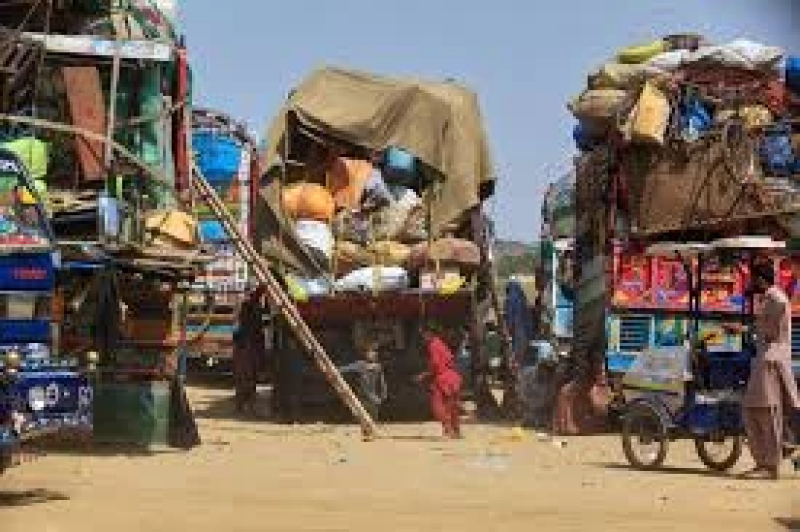
Afghan refugee children play near trucks loaded with their families’ belongings as they wait to return to Afghanistan along a highway in Landi Kotal, Pakistan, April 9, 2025.
Pakistani authorities have resumed the forced deportation of Afghan refugees after the government declined to extend the stay of nearly 1.4 million Afghans holding Proof of Registration (PoR) cards, officials confirmed on Monday.
The legal status of these refugees expired at the end of June. Many had appealed for a one-year extension to manage property sales and close businesses before returning to Afghanistan.
In addition to PoR card holders, around 800,000 Afghans with Afghan Citizen Cards are also facing deportation. Police in Punjab, Balochistan, and Sindh have begun detaining individuals without valid documents through house-to-house visits and random checks.
A government notification issued on July 31 ordered the repatriation of Afghans with expired PoR cards, stating that those lacking valid passports and Pakistani visas are residing illegally under immigration law.
While officials insist the operation is being carried out in a “dignified” manner, the move has drawn concern from the United Nations refugee agency (UNHCR), which warned that mass deportations could further destabilise Afghanistan.
“This is the largest repatriation effort under Islamabad’s direction so far,” said Shakeel Khan, commissioner for Afghan refugees in Khyber Pakhtunkhwa.
Rehmat Ullah, a 35-year-old Afghan resident of Peshawar, said his family, which has lived in Pakistan for decades, is now preparing to leave. “I was born here, my children were born here, and now we are going back,” he said. “I fear my children will miss their education.”
More than a million Afghans have already been forced to return from Pakistan and Iran this year, according to a June report by the UNHCR. The refugee agency has urged Pakistan to halt the campaign, calling it a violation of international obligations.
“Sending people back in this manner is tantamount to refoulement,” said UNHCR spokesperson Qaiser Khan Afridi. “Returns must be voluntary, gradual, and dignified.”
The Interior Ministry, which is overseeing the campaign, has yet to comment.
This deportation drive follows a 2023 nationwide crackdown on undocumented foreigners, with millions of Afghans having sought refuge in Pakistan over the past four decades due to war, political upheaval, and economic hardship.