

- Global Diesel Shortage Likely to Persist Into 2027 |
- PM to Present Bangladesh Vision at UNGA: Mahdi |
- LDC graduation must strengthen, not constrain development: Titumir |
- ADP Implementation Hits Five-Year Low at 1.85% |
- NYC BNP leaders, activists upbeat ahead of Tarique Rahman’s arrival |
Study Links Fructose to Ovarian Cancer Spread
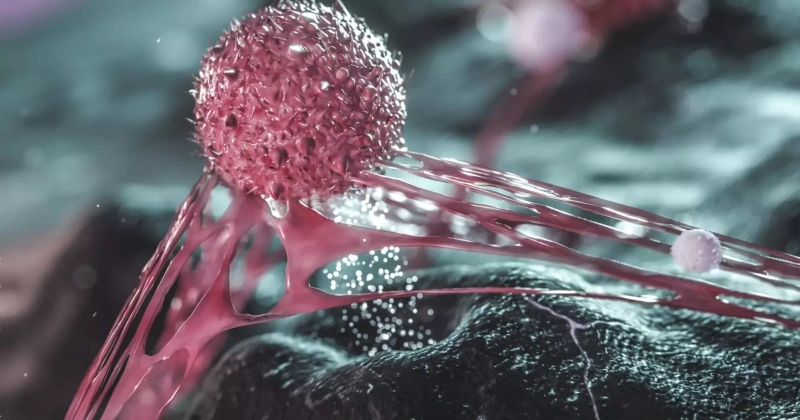
A new study has found that fructose, a common dietary sugar, may help ovarian cancer spread by acting as a chemical signal released by cancer cells that survive chemotherapy.
The research, conducted by scientists at The Wistar Institute and published in Nature Aging, suggests chemotherapy-resistant cancer cells remain biologically active and may promote the spread of the disease even after treatment.
Lead author Aidan Cole, a postdoctoral fellow at The Wistar Institute, said surviving cancer cells continue releasing molecules that influence nearby cells.
"Our study is among the first to show that a nutrient—in this case, fructose—can act as one of those signals," he said.
Ovarian cancer is commonly treated with platinum-based chemotherapy, but the disease often returns and spreads throughout the abdominal cavity. Researchers note that this metastatic spread accounts for about 90 percent of ovarian cancer deaths.
To investigate the process, scientists separated chemotherapy-surviving cancer cells from the substances they released and exposed other cancer cells to those substances. They found the released molecules alone significantly increased the ability of nearby cancer cells to spread.
Further analysis identified fructose as the key signalling molecule. The researchers also found that high dietary fructose levels—similar to those found in some sugary drinks—promoted cancer spread in preclinical models even without chemotherapy.
The team said the findings raise important questions about whether diet may influence cancer progression, although they stressed there is no evidence yet that reducing fructose intake improves outcomes for patients.
Researchers also examined how fructose affects cancer cells and found it reduced cholesterol production, weakening the connections between cells and making it easier for them to separate and spread.
The study also highlighted questions about statins, cholesterol-lowering drugs. In laboratory experiments, statins appeared to weaken cell-to-cell connections, but the researchers cautioned that patients should not stop taking prescribed medications based on these findings.
Senior author Katherine Aird said further research is needed to determine whether combining cholesterol-lowering drugs with chemotherapy has any clinical implications.
The team is now investigating whether the same fructose-related mechanism may contribute to the spread of other cancers, including pancreatic, colon and liver cancers.
Researchers emphasised that the findings are based on preclinical studies and do not prove that consuming fructose causes cancer to spread in humans.