

- Govt Appoints Indonesian Firm to Operate Cox’s Bazar SPM |
- ADB lowers Bangladesh’s growth forecast to 4 % in FY2027 |
- El Niño Tests Global Readiness for a Changing Climate |
- Dhaka's air quality recorded moderate on Wednesday morning |
- Dhaka, Riyadh ties continue to develop across numerous fields: Envoy |
Bangladesh Ranks 91st In Mobile Internet Speed
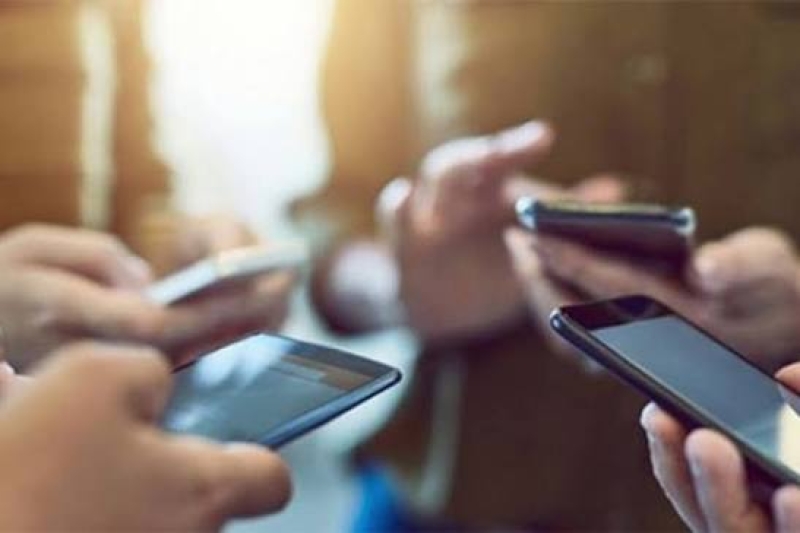
Bangladesh is falling behind in the global digital economy as slow internet speeds and limited adoption continue to hinder progress, according to a World Bank report.
The country ranks 91st among 103 countries for mobile internet speed and 93rd among 141 countries for fixed broadband, based on the Speedtest Global Index (February 2026) cited in the "Atlas of Global Development 2026" report.
The report said that although 4G networks cover the entire population, 47% of Bangladeshis remain offline, while internet speed and service quality have not kept pace with rising demand.
Experts and officials warned that weak digital connectivity is restricting economic growth by affecting investment, exports, technology-based businesses, freelancing, startups, education, healthcare and digital public services.
They said a major digital transformation is needed to improve competitiveness and support the country's goal of building a cashless economy.
Access alone not enough
The World Bank said internet access has expanded globally, rising from 16% two decades ago to more than 70% today. However, internet use remains uneven, with adoption reaching 94% in high-income countries compared with only 23% in low-income economies.
The report noted that internet access can reduce transaction costs, improve productivity, encourage innovation and create jobs. However, connectivity alone cannot ensure inclusive growth without supportive policies, digital skills, competition and strong institutions.
Coverage improves, but adoption remains low
Despite nationwide network coverage, Bangladesh continues to face challenges in internet adoption. According to Bangladesh Bureau of Statistics data cited in the report, 58.6% of people use the internet, while mobile phone ownership has reached nearly 89.5%.
The World Bank said 4G networks covered 100% of Bangladesh's population in 2024, but only 53% actually used the internet.
The Bangladesh Telecommunication Regulatory Commission reported that the country had 189.83 million mobile phone users and 135.94 million internet users until June 2026.
High device prices, costly data packages and limited digital literacy remain major barriers to wider internet use.
Slow speeds affect digital economy
The report said slow internet speeds are creating challenges for digital services, including mobile financial transactions, online banking, point-of-sale systems and QR code payments.
Poor connectivity can lead to failed transactions and reduce confidence among users and businesses.
Bangladesh's average mobile internet speed stands at 43 Mbps and fixed broadband speed at 66 Mbps. In comparison, the United Arab Emirates leads mobile internet speed rankings with 681 Mbps, while Vietnam records 188 Mbps.
Singapore leads fixed broadband speeds globally with 421 Mbps, while several regional peers including Vietnam, Malaysia and Thailand also perform better than Bangladesh.
Digital divide remains a challenge
The report highlighted persistent rural and gender gaps in internet access.
In rural Bangladesh, unreliable connectivity and slow speeds limit access to agricultural information, digital payments, telemedicine and government services.
The World Bank warned that weak connectivity could affect economic growth, foreign investment and international trade by reducing productivity and slowing innovation.
It also noted that women and girls face additional barriers to internet access due to device costs, limited digital skills, awareness gaps and social inequalities.