

- India Says Hasina Cannot Conduct Politics From Its Soil |
- Bangladesh’s Bat-Making Hub Eyes Global Cricket Market |
- Landslide Deaths: Rohingya Refugees Pay For A Warmer Climate |
- Middle East crisis: Humanitarian fallout worsening by the day |
- The climate pattern, El Niño, putting millions at risk |
Public Transport Must Have GPS Tracking From Aug 1
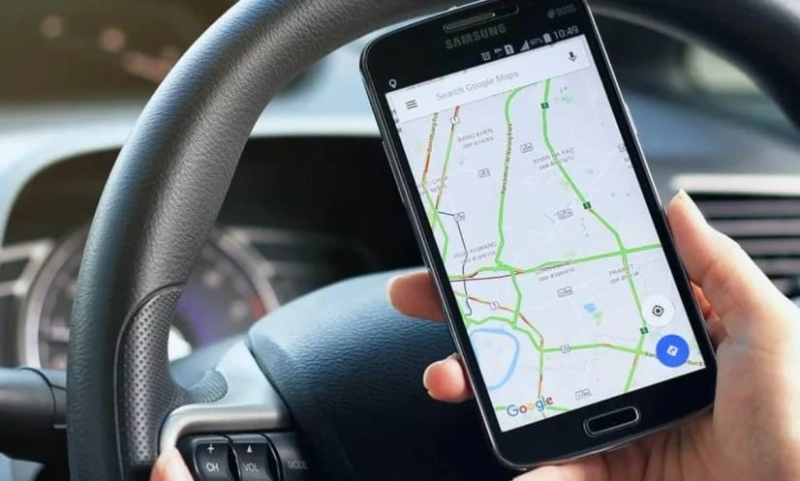
Bangladesh will begin mandatory implementation of Global Positioning System (GPS) tracking in public transport vehicles from Saturday (August 1), as part of a government initiative to improve road discipline, strengthen traffic management and enhance passenger safety.
Under the new directive, all public transport vehicles applying for new registration, fitness certificates or fitness renewals must have an active and operational GPS device installed. Transport owners will also be required to demonstrate, through a designated mobile application, that the device is functioning properly before receiving approval from the Bangladesh Road Transport Authority (BRTA).
The measure, introduced by the government and enforced by the BRTA, is expected to enable real-time monitoring of vehicle movements, improve route management and help curb widespread traffic violations.
Officials said the system would allow regulators to verify whether buses are operating on their approved routes, detect excessive speeding, monitor unscheduled stoppages and strengthen enforcement against traffic offences. It is also expected to help law enforcement agencies respond more quickly to road accidents and vehicle-related crimes.
Bangladesh's urban transport system, particularly in Dhaka and other major cities, has long been criticised for chaotic bus operations. Fierce competition among buses to pick up passengers often results in reckless driving, abrupt lane changes, unauthorised roadside stops and prolonged occupation of multiple lanes, contributing to traffic congestion and increasing the risk of accidents.
Authorities believe GPS-based monitoring will provide transport regulators with greater oversight of public transport operations and encourage compliance with traffic regulations. However, transport operators say full implementation will take time.
Jahangir Alam Khan, organising secretary of the Bangladesh Road Transport Owners' Association, said agreements had already been finalised with service providers to install GPS devices in buses operated by different companies.
“Preparations are underway, but achieving 100 per cent implementation from August 1 will be difficult. Many operators still need additional time to complete installation across their fleets,” he said.
The BRTA has urged all transport owners and operators to complete the installation process without delay, warning that vehicles failing to meet the requirement will not receive new registrations or fitness certificates.
Transport sector insiders said the success of the initiative would depend largely on consistent enforcement. They argued that simply installing GPS devices would not solve long-standing problems unless authorities actively monitored the data and took action against violators.
Road safety experts welcomed the initiative as a positive step towards a smarter transport management system but cautioned that technology alone cannot replace institutional reforms.
They noted that many ageing and mechanically unfit vehicles continue to operate despite safety concerns. They said the government must also strengthen vehicle fitness inspections, remove unfit vehicles from the roads, enforce traffic laws uniformly and improve accountability among transport operators.
Experts further recommended integrating the GPS platform with traffic control centres, digital route permit systems and law enforcement databases to maximise its effectiveness. Such integration, they said, would help authorities analyse traffic patterns, optimise public transport routes and formulate evidence-based transport policies.
The mandatory GPS programme is part of the government's broader effort to modernise Bangladesh's road transport sector through digital technology and stricter regulatory oversight. Officials believe effective implementation will contribute to safer roads, more disciplined public transport operations and reduced congestion in the country's increasingly crowded urban centres.