

- Speaker sees no possibility of Hasina's return even in 10-yrs |
- Bangladesh Ambassador to Japan returns home ahead of PM’s visit |
- Sajek Road Blockade: 2,933 Tourists Evacuated Amid Gunfire |
- Climate Crisis May Displace 7.5% of Bangladeshis by 2050 |
- NEIR Rollout Targets Tk 2,000cr Revenue Loss From Illegal Phones |
US-Iran deal aims to reopen Strait of Hormuz, Israel hurdles remain
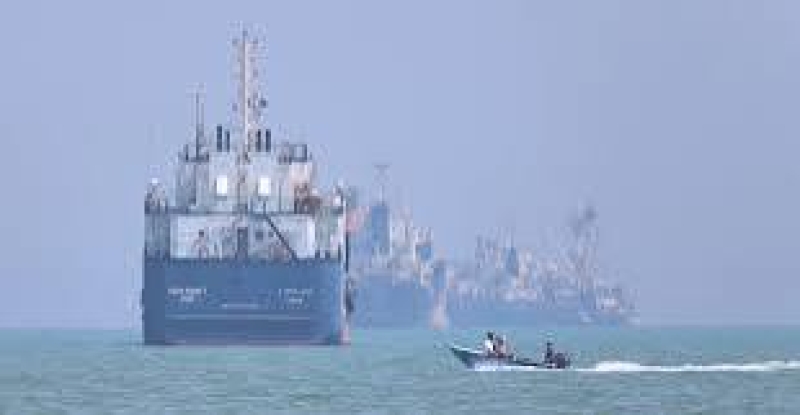
The United States and Iran have reached a tentative agreement aimed at extending their fragile ceasefire and reopening the Strait of Hormuz, a key global shipping route, though major uncertainties remain as Israel continues military operations and refuses to pull back from occupied territory in Lebanon.
Details of the understanding were not immediately made public. The deal is expected to allow the flow of oil and gas through the Strait of Hormuz, which is vital for global energy supplies. Iran, however, said the agreement would only take effect after it is formally signed, which Pakistan, acting as a key mediator, said would happen on Friday in Switzerland.
Despite the announcement, the agreement quickly faced obstacles. Israel’s ongoing fighting with the Iran-backed Hezbollah group in Lebanon continued, including Israeli strikes on Beirut’s southern suburbs on Sunday. Israel joined the US in launching the war on February 28.
In its first response after the deal was announced, Israeli Defence Minister Israel Katz said Israel would not withdraw from territories it has seized in Lebanon under any interim arrangement. He said Israel intends to remain in occupied areas in Lebanon, Syria and the Gaza Strip indefinitely. Iran has linked progress on the deal to an end to Israeli attacks on Hezbollah positions in Lebanon.
Katz also warned that any Iranian attack in response to Israeli strikes would trigger a strong Israeli retaliation.
Over the past two and a half years, Israel has taken control of roughly 1,000 square kilometres of territory across Gaza, Lebanon and Syria, an area slightly smaller than New York City.
The agreement between the US and Iran also sets a 60-day timeline to address Iran’s stockpile of highly enriched uranium and its nuclear programme, a long-standing point of dispute. The issue had earlier been addressed in the 2015 nuclear deal, from which the US withdrew during President Donald Trump’s first term, worsening tensions that later escalated into conflict.
Trump, celebrating his 80th birthday, announced the development on social media and said the Strait of Hormuz would be reopened and a US naval blockade lifted. He later clarified that the opening would depend on the signing scheduled for Friday.
Iran’s Deputy Foreign Minister Kazem Gharibabadi also confirmed the agreement on state television, saying Tehran would not begin implementing it until it is signed. He said the talks involved mediation by Qatar.
The announcement was welcomed by several world leaders, including those in China and Europe, who said reopening the Strait of Hormuz was crucial for stabilising global energy prices and trade. Chinese officials urged both sides to proceed with signing the memorandum as planned.
France said the agreement could help end hostilities across the region, including in Lebanon, while urging all parties to respect the deal. European Union foreign policy chief Kaja Kallas expressed hope that the signing would go ahead and said reopening the strait was essential for global stability, although some leaders, including Luxembourg’s foreign minister, remained cautious about the outcome.
British Prime Minister Keir Starmer also welcomed the breakthrough, calling for efforts to restore free navigation in the strategic waterway and to build lasting peace in the region.
Pakistan announced the agreement first, with Prime Minister Shehbaz Sharif saying both sides had agreed to an immediate halt to military operations on all fronts, including Lebanon. Pakistani officials said broader technical negotiations on Iran’s nuclear programme would continue over the next 60 days, with the possibility of an extension if needed.
Iranian state media, citing the Supreme National Security Council, said the war would end immediately once implementation begins and that the US blockade would be lifted in full.
Qatari mediators later left Tehran after lengthy talks, while further preparatory meetings are expected in Doha this week. It remains unclear who will sign the agreement on Iran’s behalf.
US Vice President JD Vance said preparations were still underway for Friday’s signing, adding that President Trump could also attend. However, some Republican lawmakers in the US expressed concern, including Senator Lindsey Graham, who said Iran’s interpretation of the deal appeared to differ from that of US negotiators, reports UNB.