

- At Least 160 Killed in Nepal-China Border Flash Floods |
- 7 fake CID members held in Magura kidnapping attempt |
- Flood on Nepal-Tibet Border Kills at Least 95 |
- US Suspends Visa Interviews Worldwide for Consular Training |
- Mecca Pact Puts Bangladesh’s Foreign Policy to New Test |
US seeks public Iranian commitment on Strait of Hormuz security
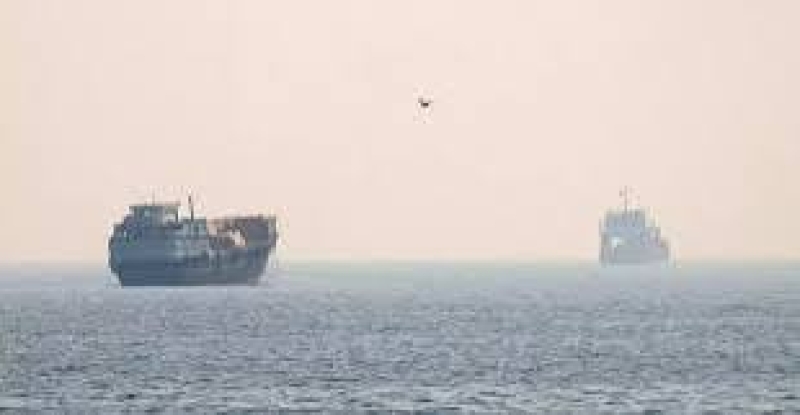
The United States is urging Iran to publicly declare that the Strait of Hormuz is open to international shipping and that it will no longer target vessels passing through the strategic waterway. According to senior U.S. officials, internal political divisions within Iran have complicated efforts to maintain a ceasefire and advance negotiations.
U.S. officials said recent attacks on ships were allegedly carried out by a hard-line faction within Iran seeking to undermine the truce. Although President Donald Trump described the interim ceasefire as effectively over, he stated that diplomatic efforts toward a long-term agreement would continue. The administration has reportedly given negotiators only a limited period to reach an agreement while keeping other options available if diplomacy fails.
Washington is also seeking assurances that Iran will respect freedom of navigation in the Strait of Hormuz, a crucial route for global oil and gas shipments. U.S. officials claimed Iranian representatives privately acknowledged the recent maritime attacks were a mistake and expressed interest in continuing negotiations. However, Iran's ambassador to the United Nations insisted that all activities in the strait, including navigation and security operations, fall solely under Iran's authority and warned against outside involvement.
Iran has argued that it should have exclusive control over the waterway and has suggested that commercial vessels pay transit fees. The conflict previously disrupted energy markets, although oil prices have eased from wartime highs.
The United States also maintains that any future nuclear agreement must require Iran to surrender its stockpile of highly enriched uranium. Officials warned that if negotiations fail, the U.S. has military options to ensure Iran cannot use its nuclear material. They emphasized that progress on nuclear talks depends on Iran fully honoring the ceasefire and ending attacks on shipping.
The conflict has created political and economic challenges for the Trump administration, which faces pressure to avoid a prolonged war while pursuing its security objectives.
Meanwhile, unexplained airstrikes continued inside Iran after Washington announced it had ended its military campaign. No group claimed responsibility. Iranian officials accused the United Arab Emirates of secretly assisting the United States, while Gulf nations and Israel declined to comment on the latest strikes.
Iran responded by launching missiles toward several Gulf countries, including Bahrain, Jordan, Kuwait, and Qatar, with reports indicating limited casualties. Regional leaders and diplomats have intensified efforts to prevent further escalation. Iranian Foreign Minister Abbas Araghchi is scheduled to meet his Omani counterpart to discuss the Strait of Hormuz, while Pakistan, Qatar, Oman, and other regional partners continue diplomatic outreach. Israel has also reaffirmed that it is prepared to respond forcefully if tensions with Iran increase again, reports UNB.