

- Ebola outbreak spreading exponentially, UN responders warn |
- Four sworn in as ministers, two more as state ministers |
- Mirza Fakhrul takes oath as 23rd President |
- New President visits Zia, Khaleda’s graves before Bangabhaban oath |
Trump threatens Iran with massive economic pressure as Tehran resists
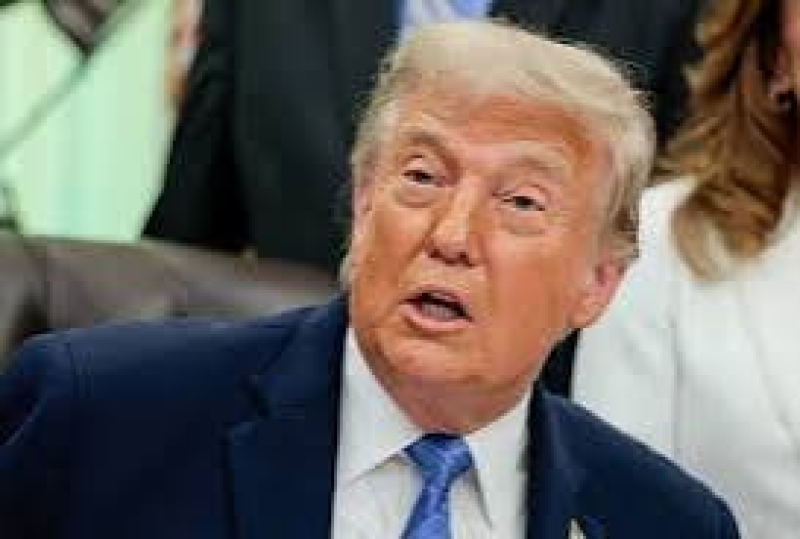
As the war with Iran approaches six months and U.S. supplies of some critical weapons continue to decline, the Trump administration is increasingly emphasizing economic pressure as a way to force Tehran to surrender. President Donald Trump has described the planned campaign as an “economic D-Day,” despite Iran’s long experience surviving nearly 50 years of severe American sanctions.
Trump said this week that Washington would impose an unprecedented level of economic pressure and international isolation on Iran. The objective, according to the administration, is to compel Iranian leaders to abandon their nuclear ambitions and fully reopen the strategically important Strait of Hormuz to oil and gas shipping.
The shift comes as Trump confronts a costly and increasingly unpopular conflict that remains unresolved ahead of crucial U.S. midterm elections. With control of Congress at stake, the president appears to be placing greater emphasis on economic warfare in an effort to weaken Tehran and bring the conflict to an end.
Iranian Foreign Minister Abbas Araghchi responded Friday on X by recalling the long history of U.S. sanctions against his country. He suggested that Iran has faced similar pressure before and remains familiar with Washington’s tactics.
Some Iran hawks have welcomed Trump’s latest approach, arguing that it should be given time to work. Others, however, say the administration is repeating mistakes made by previous U.S. governments.
Treasury Secretary Scott Bessent provided some indication of what could come next during a CNBC interview Thursday. He warned that Washington could impose secondary sanctions on countries and companies that continue doing business with Iran.
Bessent did not identify which countries or businesses might be affected under the next stage of the administration’s “Operation Economic Fury.” The campaign has previously targeted individuals and organizations involved in purchasing Iranian oil or conducting financial transactions with Tehran. China and India are among the major purchasers of Iranian crude.
Bessent said countries that continue trading with Iran should understand that the U.S. Treasury is prepared to use its full economic power against them.
Some analysts believe Iran could face unprecedented pressure
Although Iran has lived under American sanctions for decades, Trump’s team argues that the combination of economic restrictions, military strikes and pressure on Iran’s trade routes could eventually push the government toward collapse or capitulation.
Richard Goldberg, who helped develop pressure against Iran during Trump’s first administration, argued that recent U.S. attacks on Iranian nuclear facilities, this year’s war and the naval blockade of Iranian ports have created circumstances that could be far more damaging to Tehran than previous sanctions campaigns.
Goldberg acknowledged, however, that the current situation is difficult to predict because the United States is entering unfamiliar territory.
The United Arab Emirates’ recent decision to suspend trade with Iran following an alleged Iranian missile attack could further isolate Tehran. The UAE has historically served as an important commercial and re-export hub for Iranian businesses, helping the country cope with the effects of sanctions.
Much of Iran’s energy, banking and transportation infrastructure is already subject to American sanctions. As a result, Trump’s latest strategy appears increasingly focused on secondary sanctions against countries and companies that maintain economic ties with Tehran.
The approach resembles Trump’s first-term “maximum pressure” campaign, but this time it is being combined with military force.
Enforcing secondary sanctions, however, can create difficulties for Washington. During Trump’s first administration, the U.S. sometimes had to grant exemptions to countries that depended heavily on Iranian oil. Similar measures could become necessary again if sanctions begin damaging American relationships with important allies and trading partners.
The administration’s broader objective appears to be cutting Iran off from international financial networks and limiting its ability to participate in the global economy. Achieving that goal would require Washington to make Iran a more significant issue in its relations with European and Asian governments.
Iranian officials argue that Washington is returning to sanctions because it has failed to achieve its objectives through diplomacy. They say decades of economic restrictions have already demonstrated that Tehran will not simply surrender under financial pressure.
Iranian Foreign Ministry spokesman Esmail Baghaei said recently that the repeated U.S. reliance on sanctions has produced little success. He warned that continuing the same strategy could leave Washington with fewer opportunities for a diplomatic solution.
Ali Vaez, Iran director at the International Crisis Group, said Trump’s decision to combine maximum economic pressure with military action appears to overlook years of U.S. foreign-policy experience.
Rather than forcing Iran to compromise, he argued, the latest pressure campaign may have made Tehran even less willing to negotiate.
According to Vaez, Iranian leaders consider accepting U.S. demands to be potentially more dangerous than enduring sanctions. Years of unsuccessful negotiations have also weakened trust between the two sides, particularly because Iranian officials doubt whether Trump and his representatives would honor an agreement.
Iran’s leadership may fear that even if it accepts American demands under severe economic pressure, Washington could later impose additional conditions. For that reason, Vaez argues that economic pressure without a credible diplomatic path forward is unlikely to produce a lasting settlement, reports UNB.