

- WB ready to support Bangladesh amid external economic shocks: Khosru |
- PM, World Bank President Discuss Bangladesh’s Development |
- Bus Fares Rise by 17 Paisa Per Kilometre |
- PM arrives in New York to attend 81st UNGA session |
Experts See Export Boost for Bangladesh Amid US Tariffs on India
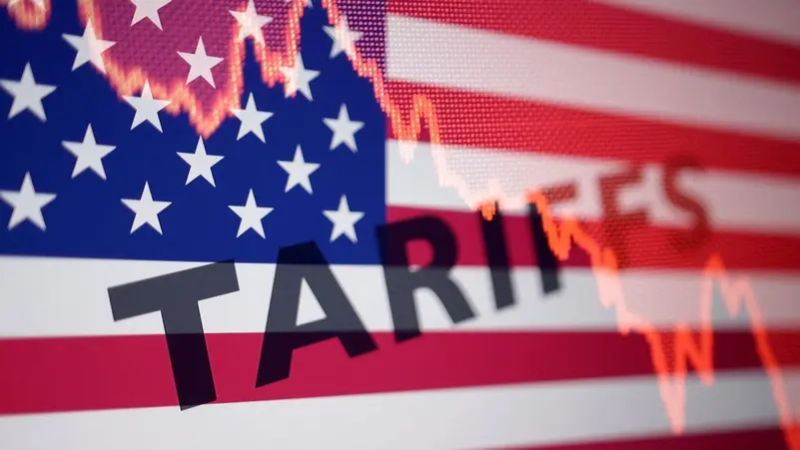
The imposition of a 50 per cent tariff on Indian exports to the United States is expected to divert significant orders to Bangladesh, creating opportunities worth billions if local entrepreneurs can seize them, economists and industry leaders have said.
On 31 July, Washington imposed reciprocal tariffs of 19 per cent on Cambodian and Indonesian goods and 20 per cent on Bangladeshi products, while Indian exports were hit with a 25 per cent duty. In addition, US President Donald Trump announced a further 25 per cent penalty on India for purchasing Russian oil, taking the total duty on Indian goods to 50 per cent.
Economists noted that Indian exporters would lose competitiveness in key sectors, including ready-made garments, home textiles, processed foods, leather goods, frozen fish, shrimp, and furniture—all areas where Bangladesh has strong export capacity.
Dr Zahid Hussain, former lead economist of the World Bank’s Dhaka office, said Bangladesh could increase exports to the US by $2–3 billion if stakeholders act quickly. “Export diversion from India to countries like Bangladesh, Vietnam, China, and Myanmar is inevitable. Bangladesh has the chance to be in the front row,” he said.
He stressed the need for uninterrupted energy supply, improved port efficiency, smoother customs procedures, and maintaining political stability to make timely shipments. He also emphasised that building stronger ties with US buyers could help Bangladesh secure long-term gains.
Industry leaders echoed similar views. BGMEA President Mahmud Hasan Khan said that order diversion from India was likely, but exporters must improve efficiency at Chattogram Port, reduce lead times, and maintain law and order.
BKMEA President Mohammad Hatem described the tariff shift as a comparative advantage for Bangladesh but warned that systemic challenges must be addressed. He called for reforms in the banking sector, restoration of the EDF facility, rationalised interest rates, and strict law enforcement to ensure stability.
Currently, Bangladesh exports goods worth $8.2 billion to the US against imports of $2 billion, leaving a $6 billion trade surplus. In comparison, India exported $86.5 billion worth of goods to the US in 2024–25, nearly 20 per cent of its total exports.
Economists and exporters agreed that Bangladesh stands to gain if it can rapidly enhance capacity, resolve bottlenecks, and maintain stability to meet the surge in potential US orders.