

- ADP Implementation Hits Five-Year Low at 1.85% |
- NYC BNP leaders, activists upbeat ahead of Tarique Rahman’s arrival |
- PM off to New York to attend UNGA |
- 8 Killed in Ashulia Garment Factory Fire |
- Apratim Murder Suspects Confessed, Says Home Minister |
Oil Prices Rise Again as Iran Tensions Escalate
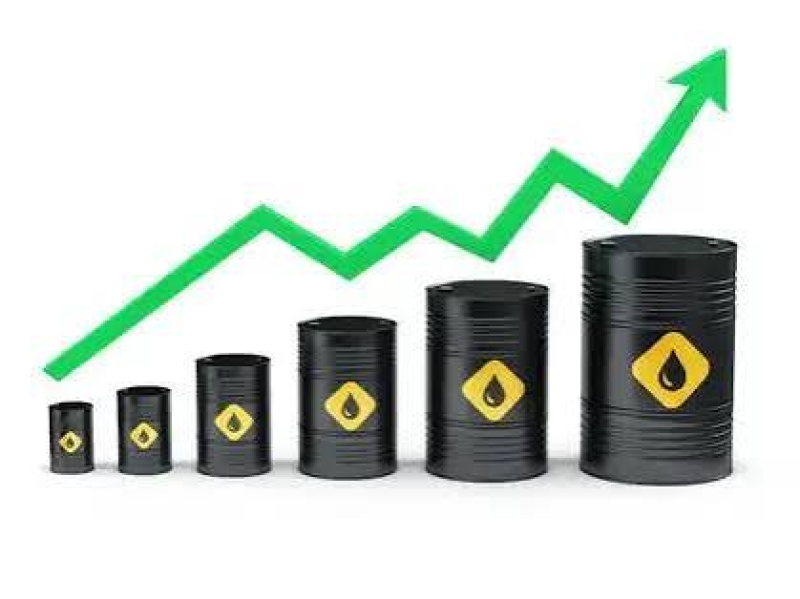
Global crude oil prices rose again on Friday as renewed military tensions surrounding Iran heightened concerns over potential disruptions to global oil supplies.
The latest increase followed a warning from the United States that it could maintain its naval blockade of Iran indefinitely, fueling uncertainty over the security of oil shipments and the broader global supply outlook.
Brent crude, the global benchmark, rose 9 cents, or 0.1%, to $87.16 per barrel at 1:30am GMT on Friday. US West Texas Intermediate (WTI) crude also gained 4 cents to $81.29 per barrel.
Both benchmarks had declined by more than 2% on Thursday amid concerns over weaker global oil demand. Despite that drop, Brent is heading for a weekly gain of around 4%, while WTI is also on track to rise by roughly 4%.
Meanwhile, tensions over the Strait of Hormuz have added to supply concerns. The strategic waterway is a major route for global oil shipments, and any prolonged disruption could significantly affect supplies and push prices higher.
Hossein Taeb, head of Iran's Basij paramilitary force, said the Strait of Hormuz remains under the control and management of the Islamic Republic, according to Iranian state-linked reports.
However, weaker demand expectations could limit further gains in oil prices. Both the Organization of the Petroleum Exporting Countries (OPEC) and the International Energy Agency (IEA) lowered their forecasts for global oil demand growth this week.
US crude inventories also posted their largest weekly increase in more than three and a half years, adding pressure to the market and potentially limiting the rise in prices.