

- ADP Implementation Hits Five-Year Low at 1.85% |
- NYC BNP leaders, activists upbeat ahead of Tarique Rahman’s arrival |
- PM off to New York to attend UNGA |
- 8 Killed in Ashulia Garment Factory Fire |
- Apratim Murder Suspects Confessed, Says Home Minister |
Toxic Excipients in Drugs Expose Global Supply Failures
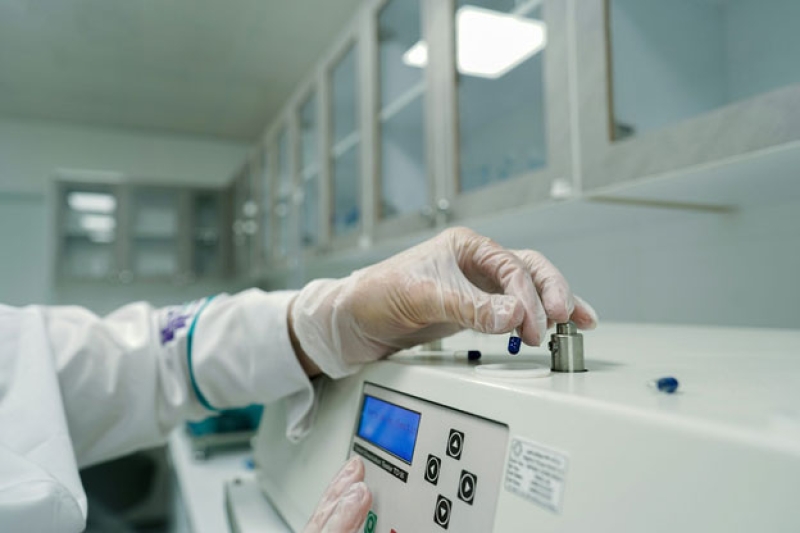
Medicines contaminated by toxic excipients which are normally used as solvents or antifreeze have resulted in multiple deaths and health complications, as a new UN report finds.
The contamination of pharmaceutical medicines through toxic excipients is killing many and harming others. UN agencies for health and crime warn that systemic vulnerabilities in the global supply chain are being exploited to introduce industrial-grade toxic chemicals into medicines, harming thousands of people, including children.
On July 24, the United Nations Office on Drugs and Crime (UNODC) and the World Health Organization (WHO) released a 120-page report on the persistent—yet preventable—threat of contaminated medicines, which have claimed lives and compromised the health of many. The report, titled “Contaminated Medicines and Integrity of the Pharmaceutical Excipients Supply Chain,” reveals findings of criminal substitution of pharmaceutical-grade substances like glycerin, propylene glycol, and sorbitol with toxic industrial-grade chemicals. These substances, such as diethylene glycol (DEG) and ethylene glycol (EG), are typically used as industrial solvents and antifreeze, and can cause severe health problems—even death—in small amounts. Yet they are making their way into the pharmaceutical supply chain.
Over the past 90 years, 25 documented incidents have resulted in more than 1,300 deaths worldwide—many of them children—due to excipient contamination. More recent cases in The Gambia, Indonesia, and Uzbekistan led to 334 deaths and prompted global investigations. These incidents have occurred predominantly in low- and middle-income countries (LMICs), where regulatory oversight is weak and access to quality-assured medicine is limited. The report highlights how manufacturers, driven by strong market demand, often rushed production at the cost of proper oversight.
The first reported case was in 1937 in the United States, where DEG was used as an excipient for sulfanilamide, killing 105 people. Such incidents, once considered anomalies, continue to occur—most recently in Africa in 2022, when over 300 people died. The deadliest case occurred in Bangladesh between 1990 and 1992, where DEG used in paracetamol syrup killed 339 people.
The report revealed that criminal networks are exploiting “market volatility and regulatory gaps” to introduce toxic excipients. Key tactics include:
Falsified labeling and substitution of chemicals for legitimate excipients
Marketing of falsified excipients via online platforms
Lack of regulatory surveillance and enforcement
Poor coordination between regulatory bodies, law enforcement, and customs
The Problem
To regulate development, production, distribution, and inspection of medicines, the pharmaceutical industry follows guidelines known as GxP (Good x Practice), or cGxP (current Good x Practice). These are intended to ensure quality, safety, and efficacy across the entire supply chain. However, failures in implementation can lead to catastrophic consequences.
WHO defines pharmaceutical excipients as “a substance, other than the active ingredient, which has been appropriately evaluated for safety and is included in a medicine delivery system.” Their functions include:
Aiding in the manufacturing process
Enhancing stability, bioavailability, or patient acceptability
Assisting in product identification
Improving overall effectiveness and safety during storage and use
The estimated size of the global pharmaceutical excipients market in 2024 was USD 9.4 billion, with over 1,000 types used as fillers, binders, solvents, coatings, preservatives, and more.
A critical issue is that excipient manufacturers are not subject to consistent regulatory oversight. WHO is now urging for appropriate Good Manufacturing Practice (GMP) standards across all stages—production, packaging, labeling, quality control, storage, and distribution—for excipients intended for pharmaceutical use.
Recommendations
To address this growing threat, the report outlines several policy recommendations aimed at improving supply chain integrity:
Strengthened regulatory frameworks and enforcement tools
Greater compliance from manufacturers and distributors
Enhanced traceability and transparency
Improved collaboration among law enforcement, health authorities, and the private sector
Legal and operational reforms to tackle falsification of labels and certificates
More robust post-market surveillance systems
Better investigation and prosecution capacity
Stricter enforcement of existing laws, including sanctions for non-compliance
The report emphasizes the need for global collaboration—including WHO, UNODC, national governments, regulatory agencies, law enforcement, and private-sector stakeholders—to prevent further harm. Without decisive action, pharmaceutical supply chains risk becoming a source of illness and death, rather than health and healing.