

- World Lost More Than 7 Million Hectares of Forest in 2025 |
- Bangladesh Ranks 84th in Global Hunger Index 2026 |
- 10 Die of Dengue in Bangladesh, 1,943 Hospitalised |
- 28 Killed as School Roof Collapses in Northwest Pakistan |
- Bangladesh Targets 8.5-Fold Rise in Cotton Output by 2050 |
UAE Exits OPEC Alliance in Blow to Global Oil Unity
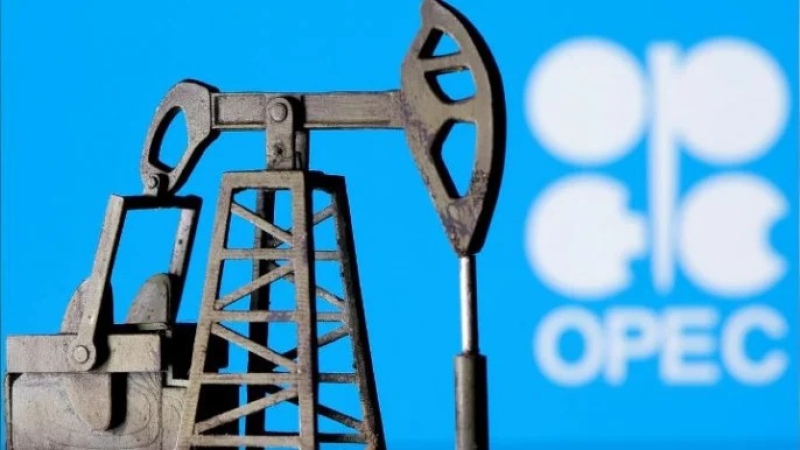
FILE PHOTO: A 3D printed oil pump jack is seen in front of displayed Opec logo in this illustration picture, April 14, 2020.
The United Arab Emirates has announced its decision to withdraw from both OPEC and OPEC+, a move that could reshape global energy dynamics and weaken coordination among major oil-producing nations.
Energy Minister Suhail Mohamed al-Mazrouei said the decision followed a comprehensive review of the country’s current and future energy strategies, particularly regarding production policies. He noted that the move was taken independently, without prior consultation with other member states.
The UAE has long been a key player within OPEC, and its departure comes at a time of heightened geopolitical tensions and instability in global energy markets. Ongoing disruptions around the Strait of Hormuz—a vital corridor for global oil and gas supplies—have already raised concerns over supply security.
Despite the potential implications, the UAE energy minister suggested the immediate impact on global oil markets may be limited, citing existing disruptions in supply routes.
The decision is seen as a setback for Saudi Arabia, which has traditionally led efforts to maintain unity within the oil-producing bloc. Analysts say the exit could expose underlying divisions within the group over production quotas, geopolitical alignments and market strategies.
The move also comes amid criticism from Donald Trump, who has previously accused OPEC of manipulating oil prices. Tensions have further intensified following regional disagreements over security responses during recent conflicts involving Iran.
Diplomatic adviser Anwar Gargash recently expressed dissatisfaction with what he described as weak regional support during recent security challenges, highlighting growing fractures within Gulf alliances.
Observers say the UAE’s departure could have longer-term implications for global oil governance, potentially altering how major producers coordinate supply and respond to market volatility.