

- ADB lowers Bangladesh’s growth forecast to 4 % in FY2027 |
- El Niño Tests Global Readiness for a Changing Climate |
- Dhaka's air quality recorded moderate on Wednesday morning |
- Dhaka, Riyadh ties continue to develop across numerous fields: Envoy |
- Tarique, Erdogan discuss expanding Bangladesh-Türkiye trade ties |
Dhaka's air quality recorded moderate on Wednesday morning
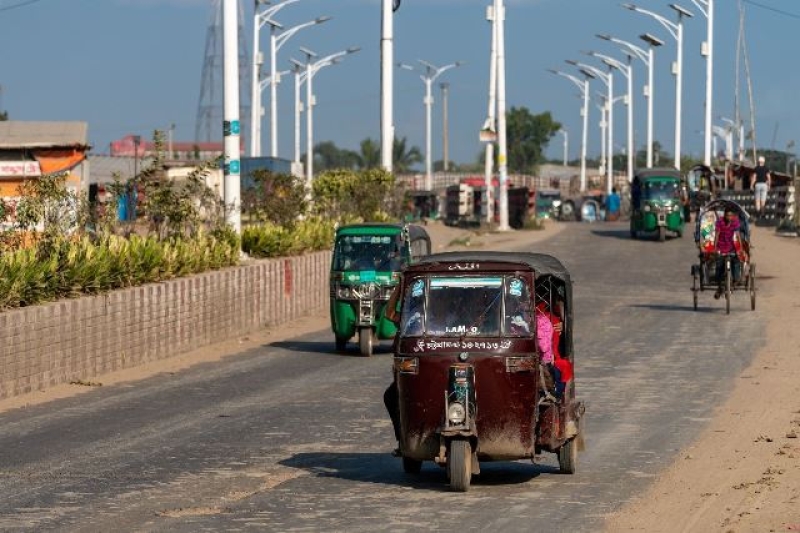
Air over Dhaka recorded moderate on Wednesday morning
GreenWatch Desk
Dhaka, the bustling capital of Bangladesh, is experiencing a temporary atmospheric reprieve. The city's Air Quality Index (AQI) sits comfortably in the "Moderate" range, averaging scores between 78 and 87.
This relatively stable air quality is heavily driven by recent seasonal rainfall, which has effectively cleared out the dense particulate matter that typically chokes the city during the drier months. However, even in a moderate phase, underlying urban elements like persistent road dust and ongoing infrastructure projects mean the threat of pollution is never entirely absent.
Even when the AQI doesn't trigger severe alerts, fine particulate matter ([PM_{2.5}]) remains a subtle risk. These microscopic particles bypass the body’s natural respiratory filters, penetrating deep into the lungs and entering the bloodstream.
The World Health Organization (WHO) links prolonged exposure to even moderate air pollution to chronic health issues. For Dhaka's citizens, vulnerable groups—including children, the elderly, and individuals with pre-existing heart or lung conditions—can still experience minor respiratory irritation, asthma flares, or coughing fits during peak traffic hours.
While structural changes require sweeping policy shifts, citizens can protect themselves with simple, everyday habits. Residents should monitor live, localized updates via the IQAir Portal before planning long outdoor activities.
When commuting through high-traffic zones or heavy construction areas, wearing an N95 or KN95 mask blocks fine particulate matter effectively.
Finally, sensitive individuals should limit prolonged, strenuous outdoor exertion if they feel any discomfort or throat irritation. By remaining proactive, residents can successfully navigate the city's changing environment and safeguard their long-term health.