

- Bangladesh to Introduce New Law to Curb Extortion, IGP Says |
- UN Marks 81 Years of Global Cooperation and Peace |
- Dhaka's air 5th worst in the world this morning |
- Around 7,500 Bangladeshis imprisoned in Saudi Arabia: Shama Obaed |
- Bangladesh Outperforms India in Global Hunger Index 2026 |
Bangladesh Seeks Spot LNG as Qatar Halts Supply
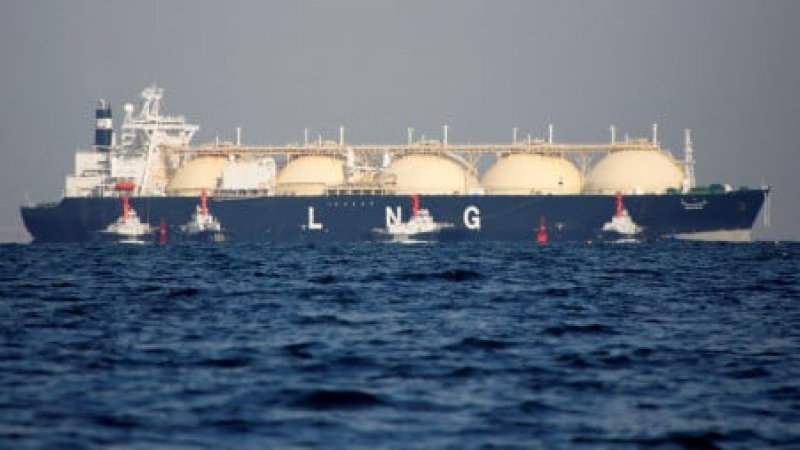
Bangladesh has moved urgently to secure alternative liquefied natural gas (LNG) supplies after QatarEnergy declared force majeure on its long-term contract, raising fears of fuel shortages for power plants and industries within days.
State-owned Petrobangla confirmed it received a formal notice from QatarEnergy on 2 March citing “recent hostilities in the region” as a potential force majeure event that may prevent the company from fulfilling delivery obligations.
QatarEnergy, the world’s largest LNG exporter and Bangladesh’s biggest supplier, was scheduled to deliver 40 of the country’s planned 115 LNG cargoes this year. The disruption has prompted Dhaka to activate contingency measures to avoid a nationwide energy crisis.
Prime Minister Tarique Rahman has instructed authorities to immediately procure LNG from the spot market. Energy officials said at least four spot cargoes are being sought for delivery in March.
Petrobangla Chairman Md Arfanul Hoque said the company has sought clarification from QatarEnergy on whether deliveries will continue, as the notice stated the situation “may prevent” performance, leaving room for uncertainty.
Seven LNG cargoes had been scheduled for March — six from Qatar via the Strait of Hormuz and one from Angola. While four Qatari cargoes have reportedly been secured, the remaining shipments remain uncertain.
Petrobangla has already called for quotations from enlisted suppliers for two March delivery windows originally earmarked for QatarEnergy shipments. It has also contacted other long-term suppliers to confirm whether they can meet commitments amid tightening global supply.
The crisis has been compounded by the closure of the Strait of Hormuz, a vital shipping corridor, following escalating conflict in the Middle East. The disruption has strained global LNG markets, pushing Asian spot prices sharply higher. The Japan-Korea Marker (JKM), the regional benchmark, has climbed from below $9 per MMBtu before the escalation to above $13 per MMBtu this week.
Officials warned that prolonged hostilities could force Bangladesh to rely more heavily on high-priced spot cargoes, increasing pressure on the country’s energy import bill.
“If we cannot secure sufficient LNG, supply cuts across sectors may become unavoidable,” a senior official said, expressing hope that the conflict will not drag on for months.
Concerns are also mounting over April supplies. Petrobangla has written to all scheduled suppliers for next month seeking confirmation of deliveries, asking for responses by 10 April.
With uncertainty stretching beyond March, energy policymakers fear that without firm assurances, Bangladesh may face growing reliance on volatile and costly spot markets to keep gas flowing to power plants, factories and households.