

- WB ready to support Bangladesh amid external economic shocks: Khosru |
- PM, World Bank President Discuss Bangladesh’s Development |
- Bus Fares Rise by 17 Paisa Per Kilometre |
- PM arrives in New York to attend 81st UNGA session |
UN Warns Rising Landmine Deaths Threaten Civilians Worldwide
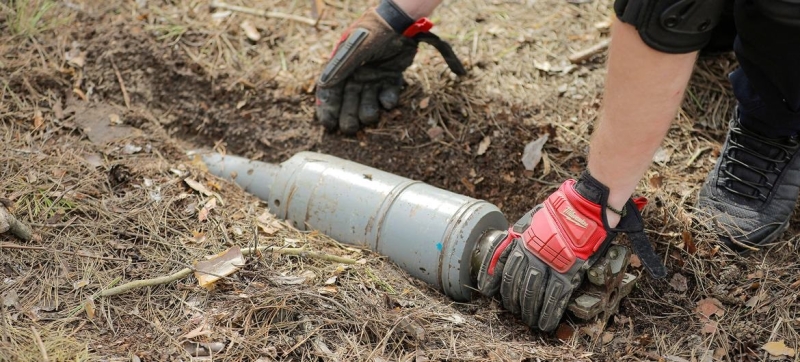
The deadly legacy of conflicts old and new—from Gaza to Sudan and beyond—continues to kill and maim civilians nearly every day, mine action workers said Wednesday, urging greater support for lifesaving work amid deep funding cuts.
At a key international meeting in Geneva supporting landmine action, experts highlighted how shrinking resources in Afghanistan and Nigeria have left civilians exposed to unexploded ordnance. They stressed that mine action programmes, often seen as long-term recovery initiatives, are in fact emergency humanitarian interventions that save lives.
Afghanistan’s child victims
According to the UN-partnered Landmine Monitor report, 77 per cent of casualties in Afghanistan last year were children. About 54 people are killed there each month by explosive remnants of war, giving the country the third-highest casualty rate worldwide.
“It tends to be children, mostly boys in the hills tending livestock, who play with objects they find, often causing fatal injuries,” explained Nick Pond, head of mine action at the UN Assistance Mission in Afghanistan (UNAMA).
Despite the urgent need for more deminers, funding shortages have drastically reduced the workforce. “In 2011 there were 15,000 people working in demining; now there are about 1,300,” Pond said.
Total child casualties in Afghanistan since 1999 number 30,154. Christelle Loupforest, UNMAS Representative in Geneva, stressed that while some regions like Sudan and the Occupied Palestinian Territory have received better support, Afghanistan and Nigeria remain in crisis, with programs at risk of suspension without donor commitments.
Sudan’s growing dangers
In Sudan, only five UNMAS clearance teams operate, all in Khartoum, leaving 1.5 million civilians at risk. Access to areas like El Fasher remains extremely challenging following over 500 days of conflict, with landmines still posing threats.
Nigeria returnees at risk
Returning communities in Nigeria face hidden explosive remnants, with 80 per cent of civilian casualties concentrated in 11 of 15 return areas. UNMAS has trained security and civil defense personnel on risk education, helping reduce incidents.
Gaza and West Bank threats
In Gaza, years of intense fighting between Hamas and Israeli forces have left massive contamination, endangering civilians and limiting humanitarian support. In the West Bank, explosive remnants increasingly threaten urban, rural, and refugee populations.
The UN Secretary-General’s campaign on mine action, launched in June 2025, calls for global cooperation to uphold humanitarian disarmament, protect civilians, and accelerate clearance efforts—especially for children, who accounted for 46 per cent of casualties in 2024.